
Sudanese await Berlin conference as war enters fourth year
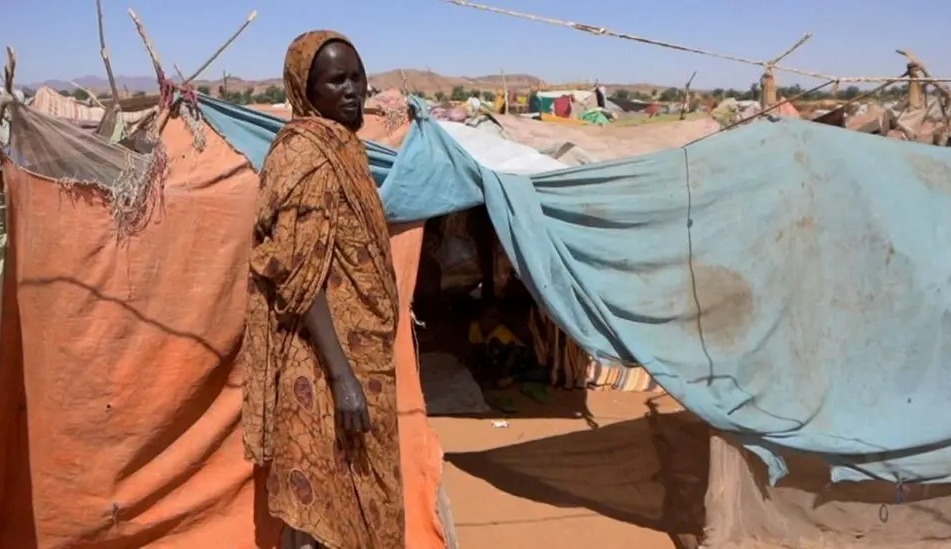
April 14, 2026 (ADDIS ABABA) – Sudanese citizens are looking ahead to the Berlin conference on Sudan, scheduled to begin on Wednesday, as the conflict enters its fourth year amid fading prospects for a military resolution.
The conference, which features broad local and international participation, aims to convert international aid pledges into reality and bridge a massive funding gap that has hindered relief efforts.
A group of political forces and prominent figures concluded a preparatory meeting in Addis Ababa on Tuesday to discuss three tracks: humanitarian relief, political settlement, and de-escalation.
Sources told Sudan Tribune that the preparatory meeting saw a shift in positions among groups that had previously supported the war, with many now refusing to continue the fighting.
Shehab Ibrahim, a leader in the “Somoud” alliance, said the meeting focused on resource mobilization and humanitarian aid. He noted that while the preparatory session was technical, it did not involve formal political negotiations.
The Quintet group—comprising the African Union, IGAD, the Arab League, the European Union, and the United Nations—reiterated its commitment to facilitating an inclusive political dialogue to end the war and establish a peaceful transition.
In a statement Tuesday, the Quintet expressed deep concern over the continuous deterioration in Sudan, citing widespread violence against civilians and the risk of national fragmentation.
The group emphasized the urgent need to de-escalate violence, protect critical infrastructure, and ensure safe, unhindered humanitarian access to all those in need.
The Berlin conference is seen by the Quintet as an opportunity to amplify the voices of Sudanese civilians. The event includes representatives from various civil, professional, and youth networks.
The Quintet clarified that the conference is not an end in itself and cannot represent the full diversity of Sudanese political voices, but serves as a crucial moment for international engagement.
The Sudanese government did not receive an invitation to the gathering. In response, Khartoum has launched a diplomatic campaign to reject the meeting and downplay its significance.
The “Somoud” alliance called for an immediate and unconditional humanitarian truce across the country, accompanied by national and international monitoring mechanisms.
The alliance stressed the need for measures to protect civilians and ensure aid reaches recipients without interference from the warring parties.
It proposed three simultaneous tracks for the peace process: humanitarian, ceasefire, and political dialogue, all under a single, unified international mediation umbrella.
Separately, the Sudan Liberation Movement led by Abdul Wahid el-Nur welcomed the conference, describing it as an opportunity to pressure the warring parties to stop the conflict.
However, the Bahri Emergency Room said it had not received an official invitation to attend and stated it would not recognize any decisions made outside its organizational framework.