
Sudanese real estate investment in Egypt hits $40 billion amid war displacement
April 16, 2026 (KHARTOUM) – Sudanese investment in Egyptian real estate has surged to approximately $40 billion, up from $23 billion at the start of the war, according to the Federation of Sudanese Industries, which ruled out a near-term return of Sudanese factories currently operating in Egypt.
Since the conflict erupted in April 2023, at least 1.5 million Sudanese have sought refuge in Egypt, joining an existing community of millions. Many Sudanese businesses have relocated their manufacturing operations to Egypt and subsequently export their products back to Sudan.
Abbas Ali al-Sayed, Secretary-General of the Federation of Industries, told Sudan Tribune on Wednesday that despite massive investments in assets and real estate, the Egyptian government has offered no concessions to Sudanese nationals.
Al-Sayed criticized the residency process, noting that thousands of Sudanese visiting relatives must pay security clearance fees. He described the situation as “shameful and disturbing,” alleging that some pay up to $3,000 in “bribes” to secure visas.
The displacement has cost Sudan at least $7 billion in annual expatriate remittances, which are now diverted to Egypt to cover housing, education, and healthcare costs. Historically, these funds entered Sudan through informal channels, but their diversion represents a severe blow to the national economy.
Regarding residency requirements, al-Sayed criticized a policy requiring a $50,000 bank deposit, arguing it violates the 2004 “Four Freedoms” agreement between the two nations. That pact, which guarantees freedom of movement, residence, work, and ownership, has been implemented inconsistently and was effectively suspended after the war began.
Al-Sayed argued that Sudanese property owners, some of whom invest between $100,000 and $200,000 in real estate, should be eligible for residency based on their assets.
He stated that the return of Sudanese industry depends on clear domestic policies, including restrictions on non-essential Egyptian imports such as sweets and biscuits. He also stressed the need for better infrastructure, particularly electricity for industrial zones, and using gold as collateral for foreign financing to support manufacturing.
Currently, many factories prefer Egypt due to lower capital costs and higher labour productivity. Egyptian authorities have reportedly begun establishing dedicated industrial zones for Sudanese investors, particularly in Upper Egypt.
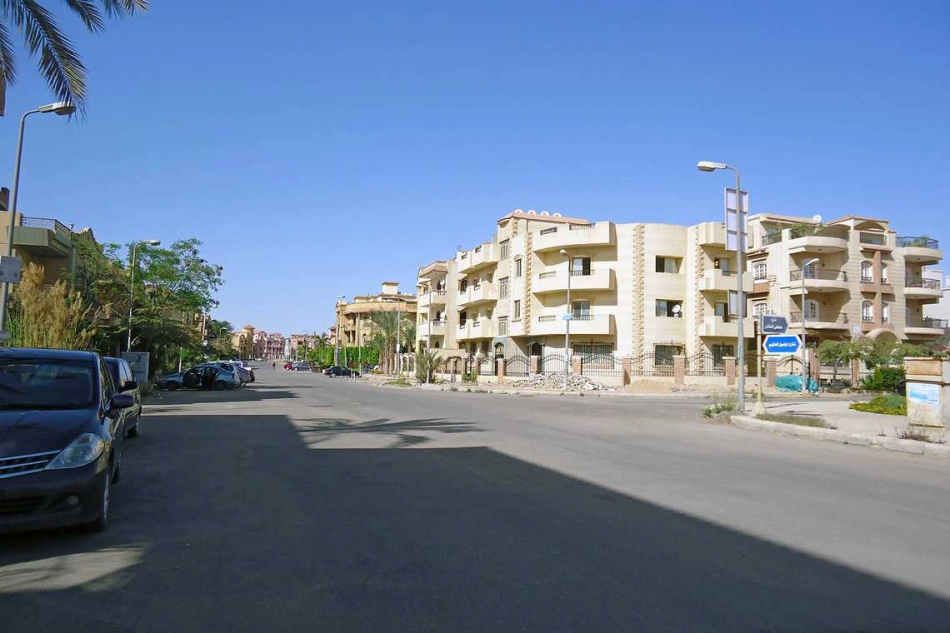
Recent reports indicate a spike in Sudanese demand for real estate in New Cairo, 6th of October City, and the North Coast. Estimates suggest Sudanese nationals now rank among the top foreign investors in Egypt’s property market.
Recent data from international organizations and the Sudanese embassy in Cairo estimate the number of Sudanese in Egypt at between 4 and 6 million people, with the majority concentrated in Cairo, Giza, and Alexandria.