
Sudan finance minister orders urgent measures to fix trade crisis
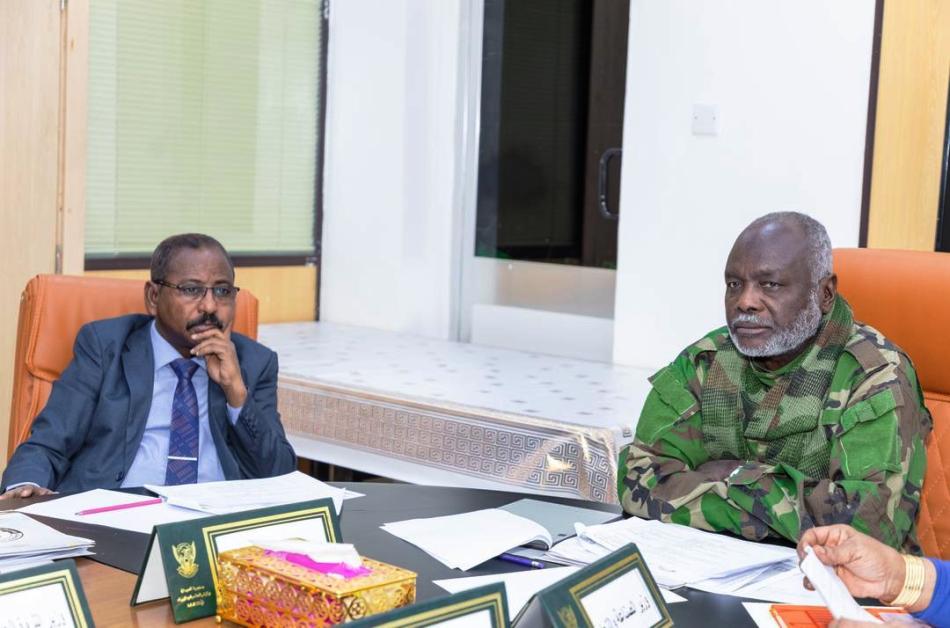
April 22, 2026 (KHARTOUM) – Sudan’s Finance Minister Gibril Ibrahim has ordered immediate measures to address critical bottlenecks in exports and imports, aiming to revive a macroeconomy devastated by three years of conflict.
The war that broke out in April 2023 has caused Sudan’s economy to contract by more than 42% compared to pre-war levels. Approximately 60% of the population has lost all sources of income, while the local currency has plunged to an unprecedented low, trading at over 4,000 pounds per U.S. dollar.
In a statement on Wednesday, the Ministry of Finance said Ibrahim, heading a specialized task force, directed authorities to implement “instant solutions” to current trade challenges while developing long-term strategic reforms.
Speaking at a meeting at the central bank in Khartoum, Ibrahim emphasized the need for a clear policy to secure agricultural inputs and encourage manufacturing. He specifically called for upgrading livestock processing and slaughterhouses to add value to exports and penetrate new international markets.
The task force also agreed to tighten anti-smuggling controls and empower the local private sector through partnerships aimed at import substitution. The move is intended to protect national industries and ensure the steady supply of essential goods through regulated banking procedures.
Business leaders welcomed the directives. Abbas Ali al-Sayyid, Secretary-General of the Federation of Industrial Chambers, told Sudan Tribune the private sector is ready to lead the reconstruction effort, particularly in the food and textile industries.
The economic outlook remains grim. A World Bank report from May 2025 noted that GDP shrank by 29.4% in 2023 and a further 13.5% in 2024. Analysts estimate the economy will not return to its pre-conflict size until at least 2031.
Government revenues have also collapsed, falling from 10% of GDP in 2022 to less than 5% in 2024.
Data from the central bank’s 2025 foreign trade summary showed a trade deficit of approximately $3.86 billion, with exports totalling $2.64 billion and imports totalling $6.49 billion.