
Sudan bans luxury imports to curb currency collapse amid importer backlash
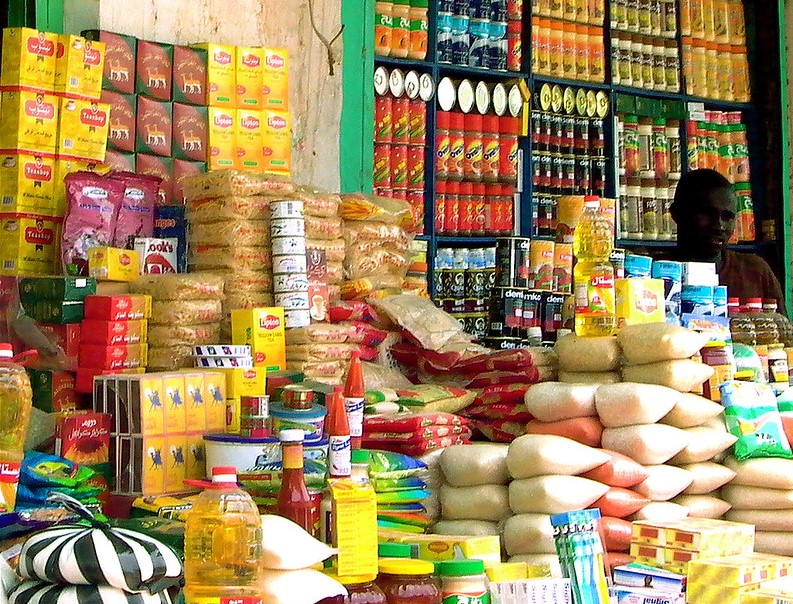
April 27, 2026 (KHARTOUM) – Sudan’s Council of Ministers has banned the import of more than 40 luxury and non-essential goods to stabilize the exchange rate and support local industry, a move that has drawn a sharp legal threat from the National Chamber of Importers.
The decision comes as the Sudanese pound continues to plummet in parallel markets, recently surpassing 4,000 pounds per U.S. dollar. Officials attribute the currency’s decline to high global fuel prices and increased demand for foreign currency by importing firms.
The government issued Decree No. 174 of 2026 on April 12, acting on recommendations from a committee tasked with curbing the currency’s devaluation. The ban targets goods including dairy products (excluding powdered and infant milk), biscuits, sweets, mineral water, juices, and furniture. Other restricted items include ceramics, marble, textiles, cosmetics, and certain fruits and vegetables.
Relevant ministries and the Customs Authority have been directed to implement the measure immediately to reduce pressure on foreign exchange reserves. While some items, such as rice, tomato paste, and cement, were reportedly removed from an initial draft of the list, a final version is expected at a forthcoming press conference.
Economist Abdel Azim al-Mahal told Sudan Tribune that the policy’s success depends on the total trade volume of the banned goods. He warned that without sufficient local alternatives, the move could inadvertently encourage smuggling and black-market activity.
The National Chamber of Importers strongly condemned the ban as “catastrophic and ill-conceived.” Sadiq Jalal al-Din, head of the chamber, described the policy as a superficial fix, arguing that many of the targeted goods provide significant state revenue through duties.
Jalal al-Din claimed the decree was issued before a technical economic team had finished its study on trade reforms. He further criticized the inclusion of a “quota system” in the implementation arrangements, warning it could foster corruption and stifle competition. The chamber has called on the Prime Minister to rescind the order and has threatened to challenge the decree in court.
According to data from the Central Bank of Sudan for 2025, the country recorded a trade deficit of $3.86 billion, with imports totalling $6.49 billion and exports just $2.64 billion.