
Sudan rejects African-UN call for crimes probe
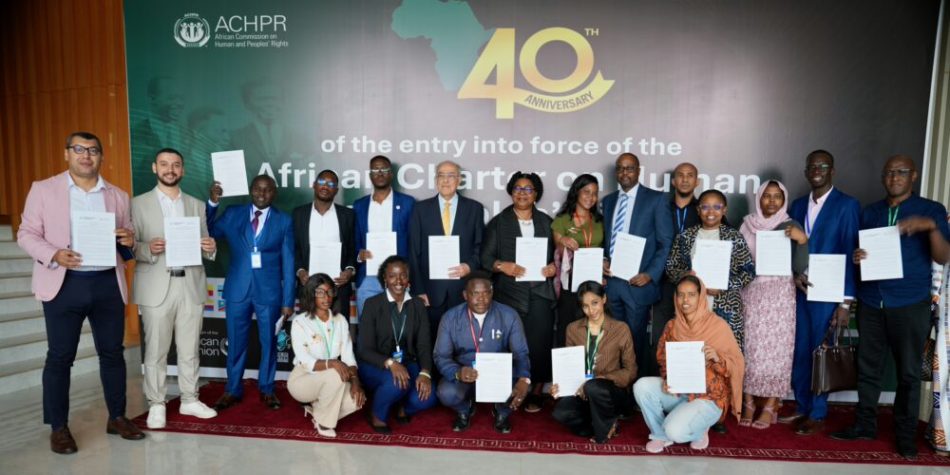
May 12, 2026 (BANJUL) – Sudan’s delegation to the African Commission on Human and Peoples’ Rights on Tuesday rejected the adoption of “Banjul Declaration,” arguing the document lacks a legal basis.
Despite the objection, the African Union (AU) fact-finding mission and the United Nations Independent International Fact-Finding Mission for Sudan issued the joint declaration. The document calls for comprehensive investigations into war crimes and the protection of human rights.
The declaration was finalized during the 87th Ordinary Session of the African Commission on Human and Peoples’ Rights, held in the Gambian capital from April 24 to May 12.
The Committee for Justice (CFJ), a rights advocacy group, hailed the declaration as a “significant milestone” in bridging regional and international accountability efforts. Ahmed Mefreh, executive director of the CFJ, described the move as a historic step toward coordinating African and U.N. mechanisms to address grave abuses committed since the conflict began in April 2023.
The Sudanese delegation stated in a formal communique that it refuses to recognize the joint text. The delegation argued that the lack of a legal mandate renders the joint work of the AU and UN missions outside the scope of international legitimacy.
Sudan has consistently refused to cooperate with the UN fact-finding mission established in October 2023. Authorities have denied the mission entry to investigate reported atrocities committed during the ongoing conflict.
The delegation criticized the African team’s findings as “incomplete.” It noted that investigators relied on visits to refugee camps abroad and virtual interviews rather than field missions.
Sudanese representative El-Zain Ibrahim called on the African mission to coordinate instead with national judicial mechanisms and law enforcement agencies within the country. He urged the team to hear from victims within Sudan before entering commitments with international bodies that the government does not recognize.
The Banjul Declaration demands an immediate cessation of attacks against civilians and civilian infrastructure, identifying civilian protection as its overriding priority. It calls for a sustainable ceasefire supported by effective monitoring mechanisms and confidence-building measures.
The text emphasizes the need for unhindered humanitarian access and the protection of aid workers. It also outlines measures to prevent conflict-related sexual violence and ensure survivors have access to medical and psychological support.
The declaration specifically directs the Rapid Support Forces (RSF) to end ethnic cleansing targeting indigenous populations in Darfur, including El Fasher. It demands the safe return of displaced persons to their original lands and the restoration of their cultural identity.
The RSF has been accused of genocide against the Masalit community in West Darfur and large-scale killings in North Darfur.
The document further calls for an end to arbitrary detention, enforced disappearances, and torture. It demands the release of all persons unlawfully held or their immediate referral to competent judicial authorities.
Investigations should cover war crimes and crimes against humanity committed by the RSF, the Sudanese Armed Forces (SAF), and their respective allies. This includes scrutinizing states or entities that aid or abet these violations.
The CFJ highlighted the declaration’s recognition of Sudanese civil society, journalists, and youth groups documenting violations under extreme risk. The group urged the implementation of the declaration within the framework of the Addis Ababa Roadmap to ensure an inclusive, civilian-led path toward peace.
The declaration urges all stakeholders to support the International Criminal Court’s (ICC) efforts in Sudan. It also proposes the creation of an African-led accountability mechanism to prosecute grave violations in coordination with international justice institutions.
The UN and AU missions pledged to continue documenting abuses to ensure peace and dignity for the Sudanese people. Previous reports by both bodies concluded that both the army and the RSF are responsible for rights violations, while noting that RSF crimes are particularly widespread and systematic.