
Food prices plunge in South Kordofan as supply convoy reaches Kadugli after Dilling siege broken
May 19 KADUGLI — Food and medicine prices dropped sharply in the South Kordofan cities of Kadugli and Dilling on Tuesday, a day after the Sudanese Armed Forces broke the siege of Dilling for the third time this year, allowing the first major supply convoy to reach the area in months.
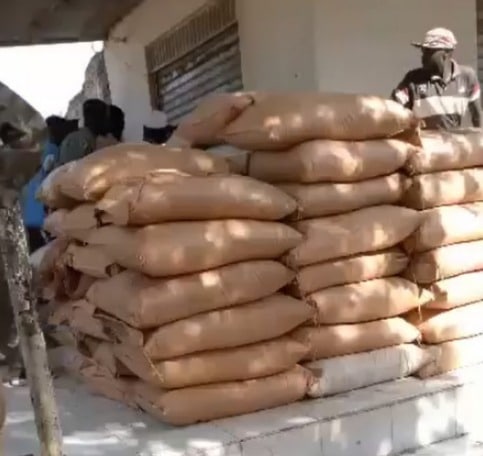
Eyewitnesses and local sources told Sudan Tribune that Kadugli received approximately 12 trucks loaded with food and medicine on Tuesday — the largest supply delivery to enter the city since January. The convoy arrived under army escort and was met with widespread relief from residents who have endured severe shortages for months.
The influx of goods triggered an immediate and steep fall in prices. According to a local trader, the price of a kilogram of sugar dropped from 40,000 Sudanese pounds to 13,000, while flour fell from 30,000 to 13,000 pounds per kilogram. A unit of onions declined from 75,000 to 20,000 pounds, and a pound of cooking oil from 20,000 to 8,000 pounds.
The army broke the siege of Dilling — the second-largest city in South Kordofan — on Monday following heavy fighting against a joint RSF and Sudan People’s Liberation Movement-North (SPLM-N) alliance, culminating in the army and its allied forces retaking the town of Al-Takma, located roughly seven kilometres east of Dilling.
Breaking the Dilling siege also opened the national road linking Dilling to Kadugli, effectively ending the isolation that had been imposed on both cities. The RSF and SPLM-N had closed off vital routes leading to North Kordofan, causing an unprecedented rise in commodity prices and compounding the hardship facing the civilian population.