
20 hours a day without power: Sudan’s electricity crisis deepens as summer heat peaks
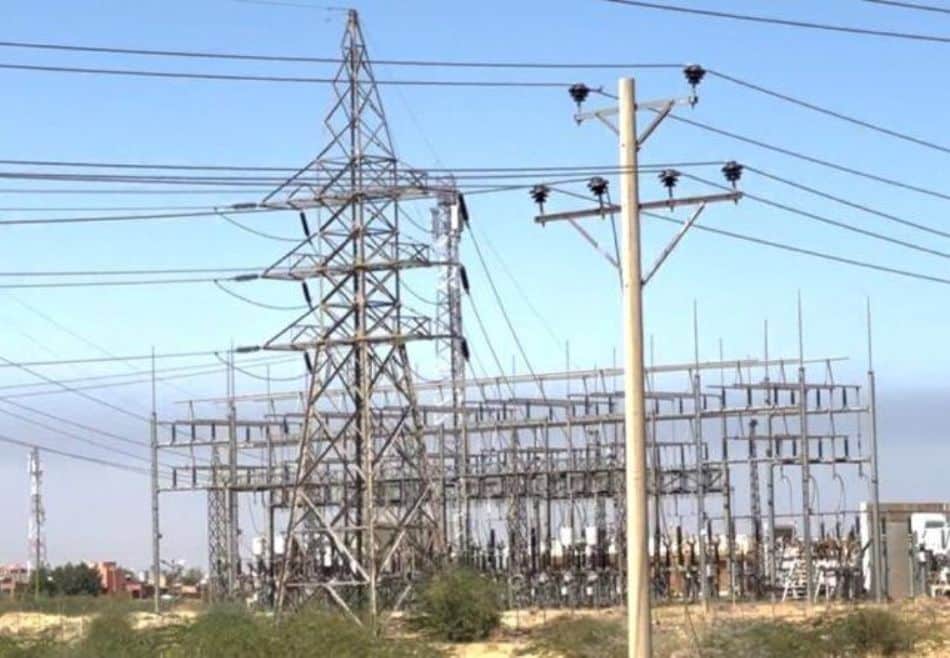
May 20, Khartoum — Sudanese citizens across multiple states are enduring power cuts of up to 20 hours a day as soaring summer temperatures compound what experts describe as a catastrophic collapse of the country’s electricity infrastructure, with losses estimated at nearly three billion dollars since the war began in April 2023.
Residents in Kassala, Red Sea, and Khartoum states told Sudan Tribune they are struggling to cope with daily outages that stretch through most of the day and night, with temperatures reaching around 44 degrees Celsius across northern, central, and eastern Sudan.
Hadiya Abdullah, a resident of Kassala state, said the power was cut for approximately 20 hours on both Saturday and Sunday. “The government ignores the suffering of citizens and gives no explanation for these cuts, which now last for hours every single day — in the middle of a brutal summer,” she said.
In Port Sudan, resident Ghada Ali said the city went without electricity for more than 24 hours over two consecutive days. She accused the government of spending state funds on officials’ travel expenses rather than repairing power stations, and called on authorities to prioritise the basic needs of citizens already devastated by the war.
In Khartoum’s Bahri district, residents reported daily outages of between eight and ten hours. Naama Abdullah, from North Bahri, said the power cuts had become a fixture of daily life, adding that she regretted returning from Egypt given the deterioration of basic services.
Electricity shortages have also extended across wide areas of Darfur and Kordofan, with only limited zones connected to the national grid — including El Obeid, Um Rawaba, and Rahad — receiving supply from the Um Dabakir thermal station in White Nile state.
Former Energy and Mining Minister Adel Ali Ibrahim told Sudan Tribune the ministry needed to come clean about the full extent of the damage to the electricity sector nationwide. He expressed surprise that areas between Halfa and Dongola — which receive power from Egypt under a longstanding bilateral agreement — were being subjected to load-shedding programmes, and called on media to press the ministry for detailed answers on the number of transformers looted or destroyed, the status of substations, and the condition of generation facilities including the Qari, Bahri, and Um Dabakir stations.
Economic analyst Abdelazim Al-Mahal told Sudan Tribune that the pace of power and water outages had worsened markedly across most Sudanese cities, attributing the crisis to falling water levels in reservoirs, high summer demand, maintenance backlogs, continued drone strikes on power stations, and a structural generation deficit. He said proposals exist for large solar energy plants in Omdurman, Dongola, and El Fasher, but none have been implemented.
Sudan’s total installed generation capacity stands at approximately 3,000 megawatts, distributed between hydroelectric dams including Merowe (1,250 MW), Roseires (565 MW), and Upper Atbara and Setit (320 MW), and thermal plants including Um Dabakir in Kosti (520 MW), Bahri (410 MW), and the Qari complex (500 MW).
The National Electricity Corporation previously estimated that around 15,000 transformers were destroyed during the RSF’s occupation of parts of Khartoum, while approximately 150,000 kilometres of cable were looted for their copper content.
On Sunday, protests broke out in the Abri area of Northern State over prolonged power cuts and the deterioration of basic services, with demonstrators blocking the road connecting Dongola and Wadi Halfa — the main transit route between Sudan and Egypt.