
Banking App Outages Paralyze Sudan Markets Ahead of Eid
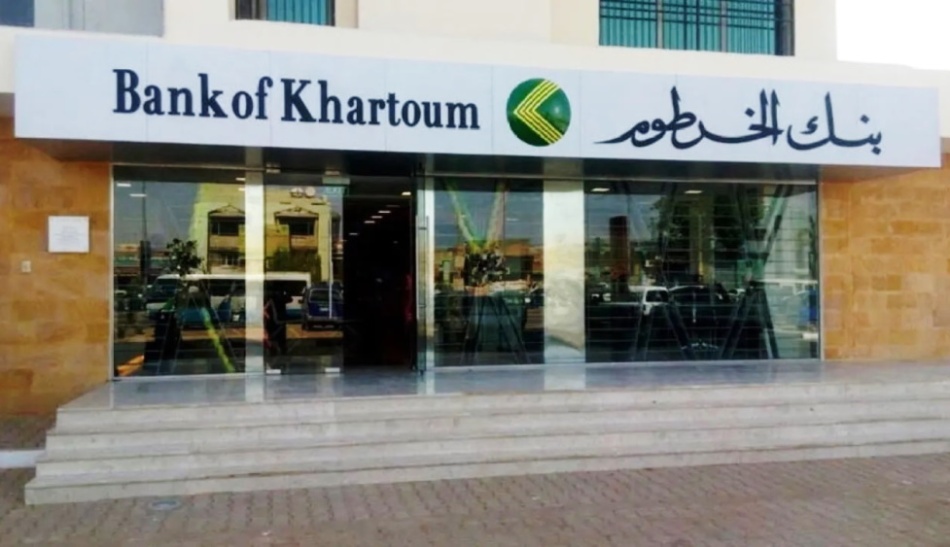
May 26, Khartoum — Sudanese markets ground to a near halt ahead of Eid al-Adha as banking application failures compounded an already severe cash shortage, leaving citizens unable to complete purchases and traders reporting sharp declines in business activity.
Citizens told Sudan Tribune they were unable to buy Eid necessities after the Bankak app, operated by Bank of Khartoum, went down. “I had to return home without buying anything for Eid,” said Taj al-Din al-Tayyib from Khartoum. “There is no cash in the markets and the apps have stopped working.”
In Medani, Gezira state, Abdullah Abdel Rahman said the crisis was compounded by livestock traders refusing to sell on deferred electronic transfers until the apps were restored, effectively freezing commerce. The Fawri app, operated by Faisal Islamic Bank, also failed under the surge in traffic as users sought alternatives, deepening the disruption.
Sudan has been gripped by a cash crisis following the Central Bank of Sudan’s mid-May currency exchange program, which replaced the 1,000 and 500-pound banknotes in Khartoum, Gezira, and White Nile states. Traders and citizens called on the Central Bank and commercial lenders to intervene urgently, either by injecting cash or reinforcing app infrastructure to prevent future outages during peak periods. One trader, Khaled al-Nour, demanded that formal complaints be filed against banks responsible for the disruption and that affected citizens be compensated.
Digital transformation and banking technology expert Mohammed al-Kheir told Sudan Tribune that the Bankak outage exposed deep vulnerabilities in the banking sector’s digital infrastructure, which has come under near-total pressure as electronic transfers replaced cash following the war’s outbreak in April 2023.
“This is not a passing technical glitch,” al-Kheir said. “It is a direct consequence of mounting pressure on banking systems that have not been technically upgraded to keep pace with the massive expansion in digital service usage.”
Banking analyst Walid Dalil said in a commentary that apps like Bankak and Fawri had become a financial lifeline for Sudanese citizens since the war began, effectively replacing banknotes under current economic and security conditions. He attributed the recurring failures to structural and security factors including destruction of telecoms infrastructure, attacks on data centers, power cuts, and the looting and vandalism of major bank headquarters in Khartoum.
Dalil warned that the impact extended well beyond individuals, saying the transfer freeze had disrupted trade and supply chains, worsened inflation, reduced public revenues, and fueled parallel cash markets. The crisis had also given rise to a “cash-for-app” trade at steep commissions, eroded confidence in the banking system, and driven some citizens to convert savings into gold or foreign currency for fear of digital asset freezes during outages.
The government has in recent months taken steps to expand digital payments, including the rollout of the Esali electronic collection system for government fees and the launch of the Sudanese Cybersecurity Authority in January, aimed at protecting digital infrastructure in line with international standards.