
Gold prices drop sharply in Sudan as liquidity squeeze hits Eid markets
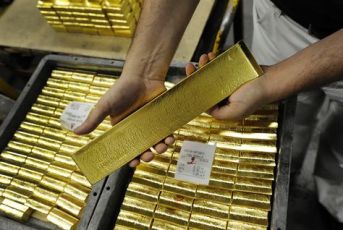
May 29,Khartoum — Gold prices fell sharply in Sudanese markets on Thursday, the second day of Eid al-Adha, as a sudden global price drop combined with a domestic liquidity squeeze to slow trading across the country.
The price of an ounce of gold fell by more than $150 during Thursday’s session, settling at $4,366 per troy ounce, according to traders who spoke to Sudan Tribune.
Mutasim Mohamed Salih, Secretary-General of the Gold Exporters Division, attributed the drop primarily to a sharp decline in global markets, saying the fall was driven by statements linked to tensions and military developments in the Gulf region, including threats directed at Oman, which rattled gold markets internationally.
Domestic factors compounded the slide. Salih said a shortage of liquidity inside the market, combined with the departure of major traders to other states or abroad for the holiday, weakened financing flows and dampened commercial activity. Sudan’s markets also experienced brief paralysis in the hours before Eid due to disruptions to banking applications, though services later resumed.
Gold supply typically falls during the Eid al-Adha and Eid al-Fitr periods as large numbers of artisanal miners pause operations to spend the holidays with their families, slowing the sector that underpins Sudan’s gold supply. Approximately 80% of Sudan’s gold production comes from artisanal mining, with only 20% from the organised sector. Most mining activity is concentrated in River Nile, Northern, and Red Sea states.
Gold accounts for more than 58% of Sudan’s total exports, according to Central Bank data. However, technical estimates suggest that between 48% and 60% of domestically produced gold is smuggled across land borders or through unmonitored ports and airports, depriving the state of significant revenue.