
Sudan launches urgent four-track plan to stabilize power grid and rebuild infrastructure
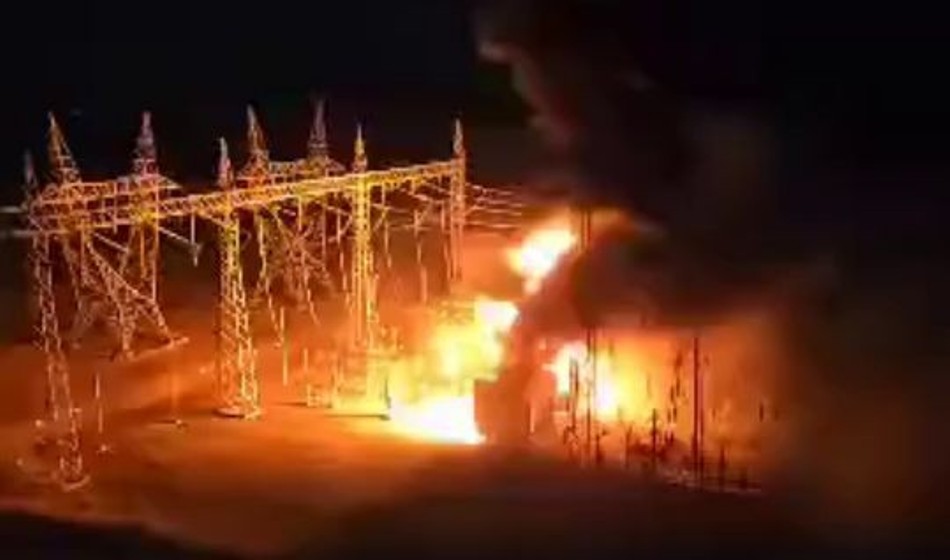
June 1, Khartoum — The Sudanese Ministry of Energy has unveiled an urgent, four-track recovery plan aimed at rehabilitating the country’s severely damaged electricity sector, upgrading network infrastructure, and stabilizing power supplies across the country.
The announcement comes as multiple states endure crippling power outages lasting several hours amidst record-breaking summer temperatures, compounding the daily suffering of citizens. Since the outbreak of war in April 2023, the electricity sector has suffered catastrophic losses estimated at $3 billion, severely worsening power deficits in numerous regions, according to data from the United Nations Development Programme (UNDP).
Energy Minister Al-Moatasim Ibrahim confirmed the rollout of the four primary tracks during a visit to the headquarters of the Sudanese Electricity Holding Company on Monday, where he also extended Eid al-Adha greetings to sector employees.
The emergency tracks focus on accelerating maintenance for offline power plants in Khartoum State to facilitate the voluntary return of citizens to their homes. The plan also prioritizes strengthening distribution networks and deploying new transformers to densely populated areas, particularly within the East Nile locality.
Expanding renewable and emergency generation
The minister underscored that the energy and petroleum sectors represent vital pillars for daily life and economic development, receiving direct oversight from state leadership.
Clean energy sources currently contribute over 30% of Sudan’s total power supply. The ministry is expanding renewable initiatives through new solar projects, including a 10-megawatt solar plant in Shendi, backed by government incentives and financing facilities for green technology imports.
“The country is going through exceptional circumstances that have imposed massive challenges on the electricity sector at a time when citizens’ expectations are rising,” Ibrahim said. He acknowledged that hurdles facing generation, transmission, and distribution make it difficult to achieve standard production rates, but noted the ministry is actively addressing them through short-term relief and long-term strategic plans.
The primary obstacles plaguing the sector include war-inflicted destruction, skyrocketing operational and maintenance costs, surging consumption rates, and weak revenue collection in certain areas. Ibrahim explained that recent adjustments to the electricity tariff were necessary to ensure service sustainability and improve working conditions for sector personnel.
The ministry additionally announced a national campaign to rationalize consumption, promote optimal energy use, upgrade metering systems, and enhance overall grid efficiency.
Reconstruction and regional partnerships
To boost output, the general framework relies heavily on maximizing hydropower by raising dam levels and rehabilitating transformers. Simultaneously, efforts are underway to restore thermal power plants to active service and expand solar initiatives. Ibrahim reported that rehabilitation work on the transmission grid and its substations has already seen success, with facilities in Al-Hahahihiisa and Soba successfully re-entering service.
Furthermore, the minister highlighted ongoing bilateral understandings and cooperation agreements with Russia, Belarus, Turkey, and Egypt. These partnerships focus on manufacturing electrical transformers and accessories, boosting hydropower generation, and enhancing regional grid interconnection.
Sudan continuously battles an escalating power deficit, particularly during summer peaks when temperatures soar to 44°C across the northern, central, and eastern regions.
The National Electricity Corporation previously estimated that approximately 150,000 kilometers of transmission lines were sabotaged during the Rapid Support Forces’ (RSF) control over large swathes of the capital, Khartoum. Estimates indicate that the national grid lost around 15,000 transformers of varying capacities to total destruction, while roughly 150,000 kilometers of cabling were looted from Khartoum for copper extraction.
According to official data, Sudan’s baseline generation capacity from hydro and thermal sources stands at approximately 3,000 megawatts. Hydropower is distributed across the Merowe Dam (1,250 MW), Roseires Dam (565 MW), Upper Atbara and Setit Dams complex (320 MW), Sennar Dam (15 MW), and Jebel Aulia Dam (22 MW). Thermal generation relies on the Um Dabaker plant in Kosti (520 MW), the Khartoum North (Bahri) thermal station (410 MW), and the Garri power station complex (500 MW).