
RSF appoints former Sudan central bank governor in Nyala, fuelling parallel currency fears
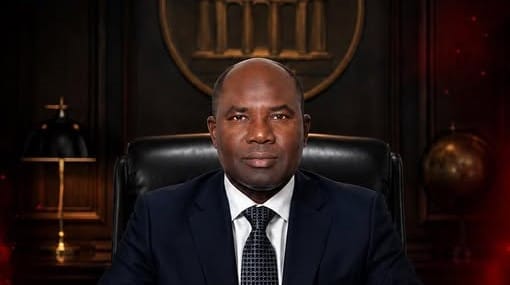
June 3, Khartoum — The RSF-controlled “Tasis” government has appointed former Sudan Central Bank governor Hussein Yahya Jangoul as governor of its parallel central bank in Nyala, triggering a debate among economists and banking specialists about the implications for Sudan’s monetary system amid an already fragile wartime economy.
Tasis Prime Minister Mohamed Hassan al-Taayishi issued a decree on 11 May 2026 establishing a “Transitional Currency Council” tasked with monetary stabilisation and banking regulation, with Jangoul formally appointed on 21 May. The council is charged with overseeing currency circulation, implementing a currency exchange programme, and issuing banking licences in coordination with the central bank governor.
Reports published on Tuesday said Jangoul used information from his previous tenure to print quantities of banknotes bearing his own signature — in the 500 and 1,000 pound denominations — backdated to May 2022, which have since been distributed in RSF-controlled areas across most of Darfur’s five states and parts of Kordofan. Traders and residents in Nyala and other Darfur areas confirmed the appearance of a new cash injection bearing Jangoul’s signature, reportedly channelled through a company called “Al-Mustaqbal” banking services. RSF members were said to have received their salaries in Sudanese pounds rather than dollars for the first time.
However, banking analyst Walid Dalil told Sudan Tribune that the notes in circulation are not newly printed currency, but old banknotes bearing Jangoul’s signature from his previous time in office — likely seized from central bank vaults or currency printing houses at the outbreak of the war. He said the developments have created a de facto monetary split between areas of control, with the injection of large quantities of cash without productive backing driving down purchasing power and pushing up inflation.
Dalil noted that the Sudanese government responded by changing the signature on banknotes, replacing Jangoul’s with that of his successor, and implementing a plan to withdraw large denomination notes from circulation through the banking system. The Central Bank of Sudan declared any currency circulating outside the official system “illegal and non-discharging.”
Former Central Bank regulatory director Mahmoud Salah told Sudan Tribune that any attempt at economic division “will only lead to more confusion, price instability, and currency deterioration,” warning that monetary expansion in an unregulated economy lacking transparency and governance will accelerate isolation and decline. He said currencies officially withdrawn from circulation and then reintroduced carry no domestic or regional recognition.
Economic analyst Dr. Haitham Fathi warned that printing currency outside official frameworks will further erode the pound’s value and worsen living conditions, particularly given Sudan’s dependence on imports. He said the move risks halting external banking operations, closing correspondent bank accounts abroad, and triggering a banking crisis in Darfur as depositors lose confidence and withdraw their funds.
Jangoul, born in North Kordofan state, graduated from the University of Khartoum’s Faculty of Economics and holds a master’s degree from Columbia University. He joined the Central Bank in 1982 and served in several senior roles, including multiple terms as governor. His most recent appointment ran from February 2022 until he was removed in May 2023.