
Ethiopian Airlines dollar ticket sales trigger economic, legal concerns in Sudan
- 7 June 2026
- In Africa, Editor's Picks, News, Transport
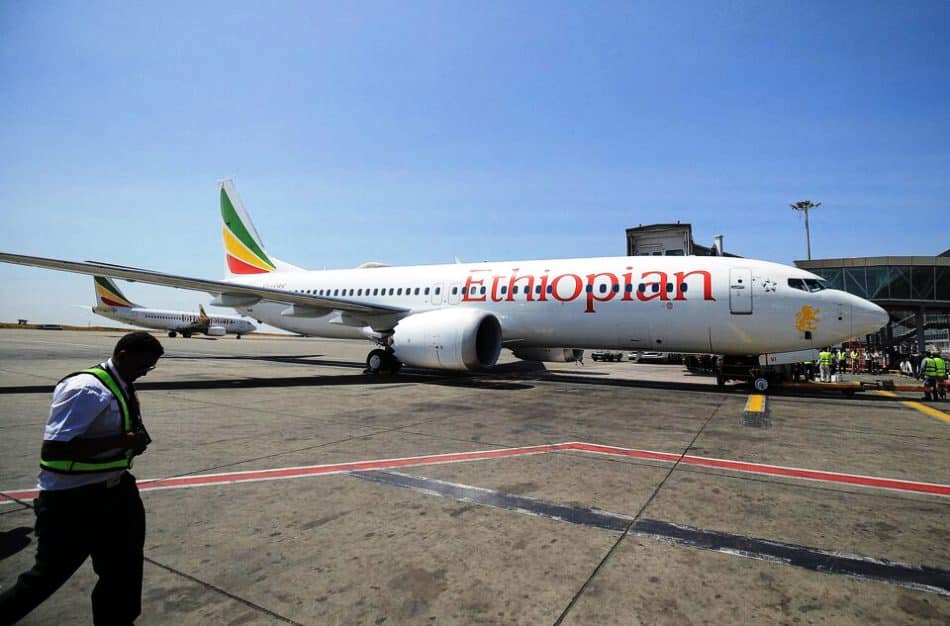
June 7, 2026 (KHARTOUM) – Ethiopian Airlines’ refusal to issue ticket bookings in Sudanese pounds has sparked intense debate among aviation professionals and economists, raising fears that the move will further devalue the local currency and restrict travel options for citizens.
The airline’s office in Port Sudan recently stopped accepting Sudanese pounds, requiring cash payments in U.S. dollars only. The decision comes as the Sudanese pound continues its sharp decline against foreign currencies, with the dollar exchange rate surpassing 4,000 pounds in recent months.
Abdullah Mohamed, a traveller, told Sudan Tribune he was shocked to find the airline rejecting both cash and banking application payments in local currency. He said the move forced him to turn to the parallel market to source dollars, calling the process exhausting and a heavy burden on citizens.
Murtada Hassan Juma, director of air cargo at Sudan Airways, criticized the policy, noting that foreign airlines operating in Sudan are bound by national laws, including civil aviation, foreign exchange, and consumer protection regulations.
“No commercial entity operating in Sudan can impose financial arrangements that conflict with national regulations or undermine monetary sovereignty without explicit permits from the competent authorities,” Juma said.
While bilateral air transport agreements allow foreign carriers to remit revenues in convertible currencies, Juma emphasized that this does not automatically exempt them from local sales and collection requirements. He urged the civil aviation and central bank authorities to conduct a legal review of the airline’s compliance.
Ibrahim Adlan, former director of the Civil Aviation Authority, viewed the crisis as a direct consequence of the wartime economic collapse. He noted that Ethiopian Airlines, like other foreign carriers, faces genuine difficulties remitting its accumulated profits due to severe foreign currency shortages at the Central Bank of Sudan.
“The airline fears holding large balances in Sudanese pounds because of rapid depreciation risks,” Adlan told Sudan Tribune. However, he warned that forcing passengers to buy tickets in cash dollars drives them to the parallel market, increasing pressure on the exchange rate and undermining national monetary policy.
Instead of allowing the crisis to escalate to a suspension of flights, Adlan proposed a clearinghouse mechanism. Under this system, Ethiopian Airlines could use its accumulated pound reserves to settle local operational costs, such as airspace transit fees, navigation services, and other government duties, repeating a successful framework implemented in 2021.
Economic analyst Haitham Mohamed Fathi stated that pricing domestic services in foreign currency explicitly violates Central Bank regulations, which mandate the pound for all local commerce.
“Citizens will likely comply due to limited competition, as the current security situation prevents other international airlines from entering the market,” Fathi said, warning that this near-monopoly hurts consumers and urging strict enforcement of national currency laws.
Most international airlines suspended operations in Sudan after the war broke out in April 2023 and disabled Khartoum International Airport. While limited international flights have resumed via Port Sudan, Sudan’s dwindling production, halted exports, and wartime spending continue to hinder foreign companies’ efforts to repatriate funds.