
Sudan government to import fuel to combat economic crisis and currency plunge
June 12, 2026 (KHARTOUM) – The Sudanese government has decided to directly import petroleum products following acute fuel shortages and a sharp plunge in the local currency driven by private firms buying up foreign exchange.
Sudan has suffered from repeated fuel crises, exacerbated by severe damage to its oil infrastructure. The closure of the Al-Jaili refinery, which previously met around 70% of domestic consumption, has left the country entirely reliant on imports.
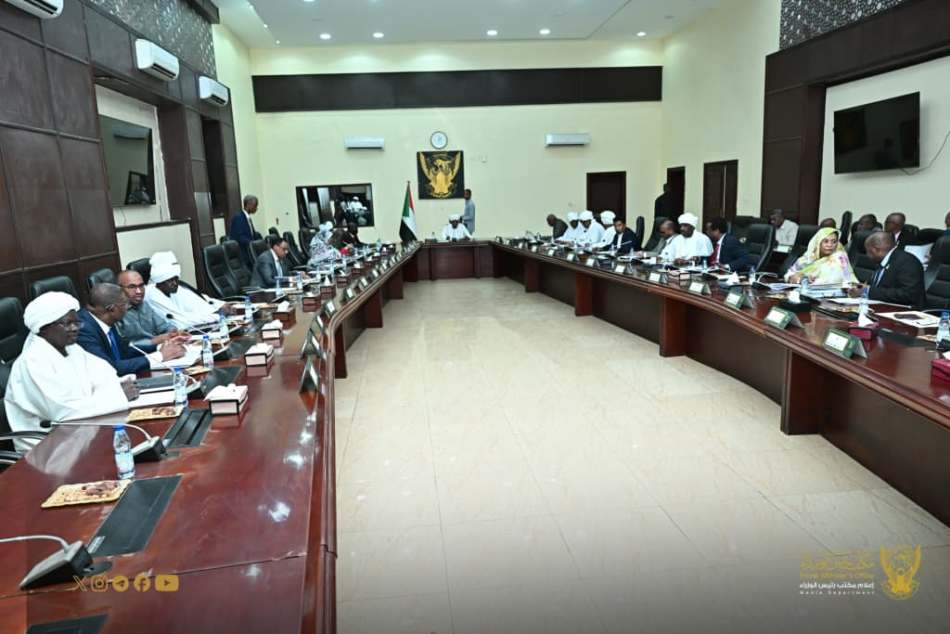
The cabinet, chaired by Prime Minister Kamel Idris, on Friday in Khartoum, approved the direct state import of fuel to regulate the market and control the exchange rate. The ministries of finance and energy, the central bank, and economic security will implement the decision.
The cabinet also directed security agencies to take necessary measures to protect the national economy. However, the government did not clarify whether it would completely halt the previous mechanism of sharing imports equally with private sector companies, causing some confusion.
Culture, Information and Tourism Minister Khalid Al-Aisar said the cabinet meeting focused strictly on the petroleum issue to demonstrate the government’s seriousness in managing the economy, adding that the decision takes effect immediately.
Economic analyst Mohamed Al-Nair told Sudan Tribune that the strategic move was long overdue. He noted that fuel imports constitute the country’s highest import expense and predicted the decision would curb speculative dollar demand by private companies.
Al-Nair stated that fuel prices in Sudan have become some of the highest globally, crippling production just as the country approaches the critical summer agricultural season. He suggested private firms could transition into distribution-only entities operating under fixed profit margins set by the state.
Several Sudanese states are experiencing severe fuel shortages, with vehicles queuing for hours at service stations. The Sudanese pound has hit a historic low, trading at around 4,700 pounds to the U.S. dollar on the parallel market.
On Thursday, Sovereign Council member Ibrahim Jaber met in Port Sudan with energy ministry officials and General Intelligence Service representatives to discuss stabilizing supply and curbing the currency’s collapse.
Ali Abdel Rahman, the undersecretary of the energy ministry, said after the meeting that warnings were issued to private firms that failed to unload petroleum shipments as agreed, which contributed to the recent supply gaps.
Abdel Rahman announced that a fuel tanker is currently offloading its cargo and that the crisis is expected to ease within 24 hours. He added that a pricing structure committee has been activated to standardize fuel prices across all service stations and prevent market chaos.