
Sudan remains world’s largest displacement crisis amid 72% funding gap, UNHCR official says
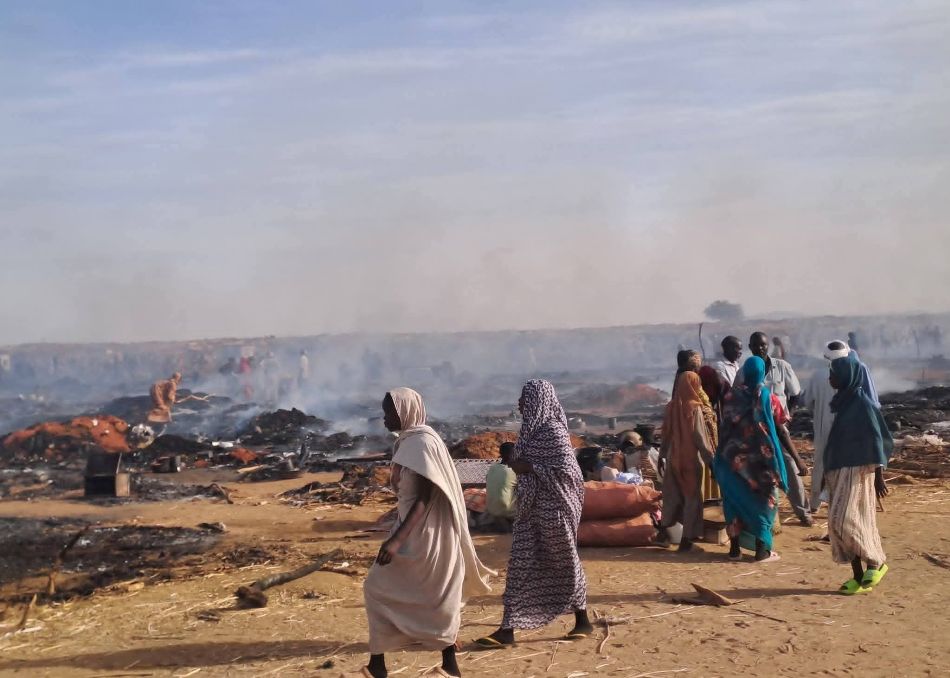
June 21, 2026 (KHARTOUM) – Sudan continues to face the world’s largest displacement crisis while facing a severe 72% funding deficit, the representative of the United Nations High Commissioner for Refugees (UNHCR) in Sudan said on Sunday.
Speaking to Sudan Tribune in Khartoum, Mamie-Helene Verney stated that three years into the conflict, approximately 9 million Sudanese remain internally displaced.
Verney noted that the displacement figures fluctuate constantly due to ongoing movements, with some individuals attempting to return home while others are repeatedly displaced by clashes, particularly in Kordofan, Darfur, and Blue Nile.
An additional 4.5 million Sudanese have fled to neighbouring countries as refugees, according to UNHCR data.
The UNHCR representative reported that the army’s recapture of Khartoum, Gezira, and Sennar states, alongside the cessation of fighting in those areas, has prompted the return of about 4.5 million people.
Among those returnees, an estimated 1.8 million have arrived in Khartoum and Omdurman, comprising 80% internally displaced persons and 20% returning from abroad.
Verney highlighted that other regions continue to experience fresh fighting and displacement, largely concentrated in Kordofan, Blue Nile, and Darfur, where around 700,000 displaced persons are currently in Tawila.
The 72% funding gap has hindered the rapid response mechanisms needed for emergency situations and new waves of displacement.
Verney emphasized that the most urgent needs are life-saving interventions in new displacement zones across Darfur and Kordofan.
She stressed the critical need for immediate support for returnees in Khartoum, where much of the infrastructure, including schools, hospitals, and the electricity grid, has been destroyed.
The representative identified economic survival and social cohesion as the two primary pillars required to sustain returnees in the capital.
Operational costs in Sudan remain exceptionally high due to vast distances, ongoing fighting that impedes access, and the need to transport vital relief items such as tents and food from abroad via Port Sudan or Chad.
Verney expressed concern about a shift toward rigid, earmarked donor funding, which limits the flexibility humanitarian agencies need to pivot in response to new emergencies.
UNHCR warned that recent fighting near the Chadian border in the Tine and Adre areas poses a significant threat to humanitarian supply corridors into Darfur, especially following a recent drone strike on a strategic border bridge.
Verney reminded all warring parties and non-state armed actors of their accountability under international law to respect human rights.
She called on the international community to pressure parties toward a ceasefire and to end impunity for atrocities, particularly in Darfur.
Despite its internal conflict, Sudan still hosts approximately 900,000 refugees from neighbouring countries, including 40,000 Ethiopians from the Tigray conflict in Gedaref camps and 90,000 South Sudanese who arrived last year.