
Drone strikes and blackouts leave millions without water in Sudan’s El Obeid
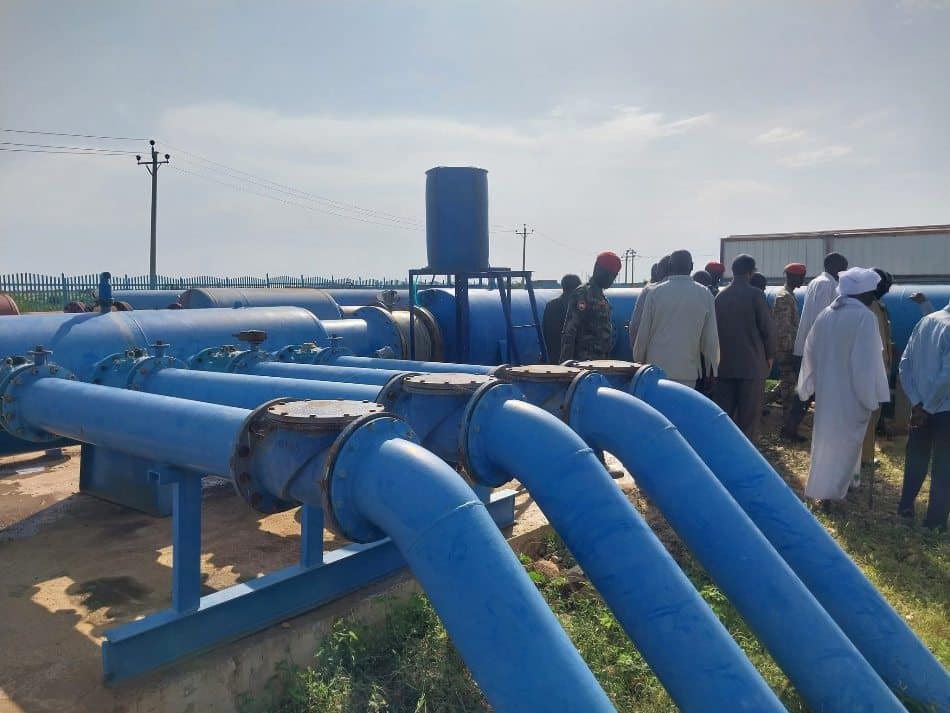
July 6, 2026 (EL OBEID) – The historical water crisis in El Obeid has escalated significantly due to the ongoing war, leaving millions of residents struggling to secure daily clean water after the city lost access to its primary supply networks following targeted bombardments.
The strategic capital of North Kordofan State, which has endured siege-like conditions for 18 months, is facing acute water shortages after recent drone strikes knocked out its primary electrical substation and shut down municipal water stations. The resulting power blackouts have cut off electricity to the city’s main water pumps, leaving hundreds of thousands of residents without access to running water.
Local field reports indicate that the city has been cut off from its two main water basins. The Al-Sidr basin, located to the south, has been repeatedly targeted by Rapid Support Forces drone strikes on key utility targets and power infrastructure, while the Bara basin to the north remains entirely under the control of the paramilitary group.
The collapse of the water infrastructure comes as El Obeid faces unprecedented demographic pressure. The city’s population has surged to over three million people, including a massive influx of internally displaced persons fleeing violence from other parts of the country, with local officials estimating that half of the current residents are staying in crowded camps or are hosted within local neighbourhoods.
Local residents report that the price of a standard jerrycan of water has doubled over the past few weeks. This spike has forced vulnerable families to rely on unsafe water sources or spend their remaining savings on commercial water trucks.
In response to the emergency, the Humanitarian Aid Commission in North Kordofan, in coordination with several aid organizations, launched the “Suqia” initiative. The emergency campaign has deployed hundreds of mobile water tankers to distribute water across the hardest-hit areas of the city.
Authorities have also initiated an emergency drilling plan to drill more than 60 new wells to compensate for the loss of infrastructure. More than 30 wells have already been successfully drilled, and local emergency committees are actively working to secure water desalination units.
As part of the stopgap measures, engineering teams have also begun rehabilitating ancient wells, aiming to revive available local sources to mitigate the severe shortage.
Humanitarian organizations warned that the lack of clean drinking water, combined with blocked supply routes and a rapid depletion of fuel needed to run backup generators, risks triggering a catastrophic health crisis as waterborne diseases threaten the besieged population.