
Armed checkpoints extort millions from Sudanese truckers
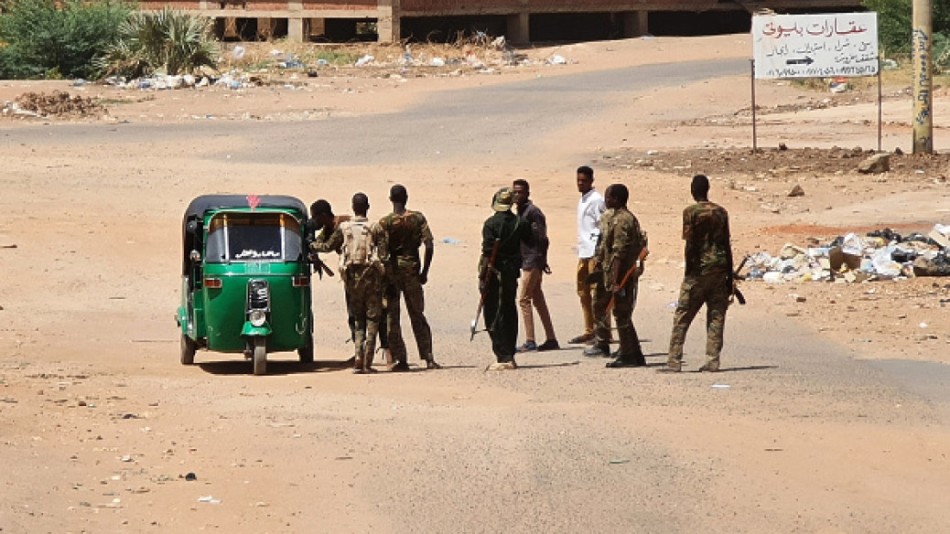
July 29, 2026 (KHARTOUM) – Commercial truck drivers travelling the highway from Khartoum toward Sennar state face systemic extortion and safety threats at dozens of armed checkpoints.
Drivers report being forced to pay steep transit fees to bypass checkpoints operated by local armed groups.
Abu Omer, a 48-year-old truck driver speaking anonymously, told Sudan Tribune that an armed individual stopped his vehicle and demanded 1.3 million Sudanese pounds in transit fees.
He successfully negotiated the payment down to 800,000 pounds after hours of tense discussion.
Truck drivers navigating the Khartoum-Sennar highway encounter dozens of armed checkpoints where passing requires paying unofficial tolls.
Fee amounts vary depending on cargo size and type, with drivers noting that failure to negotiate results in being forced to turn back.
Trucks carrying essential supplies such as fuel, sugar, and food face the heaviest extortion because gunmen exploit the urgent market demand.
Field interviews conducted by Sudan Tribune with drivers, customs agents, and merchants reveal widespread lawlessness along national highways.
An investigation involving 17 interviews and satellite imagery analysis through July 2026 identified over 108 armed checkpoints levying transit fees on cargo.
With the collapse of the traditional banking system and central tax collection in mid-2026, an informal financial structure emerged across checkpoint networks.
Financing flows through the immediate collection of cash at checkpoints controlled by militia members, regular forces, and allied units.
Satellite imagery from mid-2024 to June 2026 indicates a significant expansion of checkpoints along key logistical corridors.
Tolls are enforced along northern and eastern routes, including the Shendi-Atbara and Port Sudan-Kassala lines, which are managed by army-aligned groups.
Along western corridors controlled by the Rapid Support Forces (RSF), tolls range from 200,000 to 2 million Sudanese pounds per truck.
A driver identified as A. told Sudan Tribune that fighters sometimes demand a physical percentage of the food supplies they transport.
He added that steep extortion rates have driven commodity prices up dramatically in local markets.
Checkpoints surrounding El Obeid in North Kordofan have made access routes to the city among the most expensive and dangerous to navigate.
Data collected from 22 major checkpoints estimates that roughly 600 million Sudanese pounds in cash are collected daily outside the formal economy.
The continuous depreciation of the Sudanese pound has also led checkpoint commanders to establish commodity barter systems.
Militias controlling informal mining sites in River Nile, Northern, and South Kordofan states levy in-kind gold tolls of 10% to 15%.
Investigation findings indicate that checkpoint commanders frequently sell the raw gold they collect through networks of regional traders.
Field commanders have accumulated substantial wealth, purchasing real estate, transport firms, and currency exchange offices in neighbouring countries.
A food transport driver stated that a single active checkpoint can generate approximately 5 million Sudanese pounds daily.
Smuggling trucks have carved out dirt tracks through rough terrain to bypass official posts, creating a dual-taxation environment.
Several markets along trade routes have been replaced by cash-and-barter hubs that sell looted or smuggled goods under armed protection.
Transit conditions vary across regions, with the Debba-El Fasher axis managed by joint armed movements and other routes run by local militias.
Transit fees along the Debba-El Fasher corridor range between 1,200 and 2,000 pounds, paid in cash or fuel, while Khartoum-Madani fees range from 800 to 1,500 pounds.
In Kordofan and Darfur, checkpoints often demand 5% to 8% of the total value of cargo or livestock.
The Tanazul crossing handles approximately 150 trucks daily, generating an estimated 110,000 pounds in daily revenue.
Traders and drivers believe the shadow economy created by checkpoint networks presents a major obstacle to ending the conflict.