
Sudanese army consolidates control over North Kordofan Export route despite drone strikes
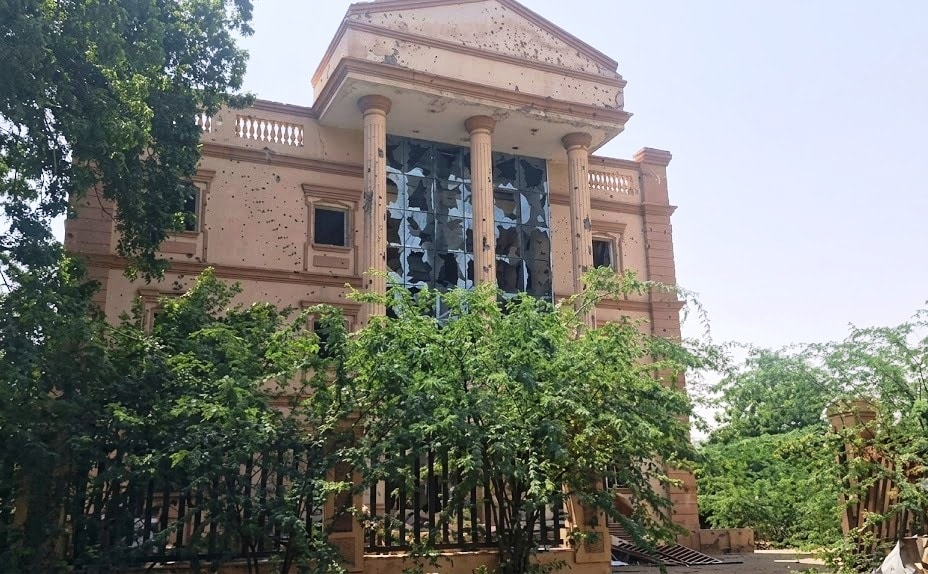
August 1, 2026 (EL OBEID) – The Sudanese army is consolidating its control along the Export road connecting the North Kordofan capital, El Obeid, to Khartoum, despite intense drone attacks by the Rapid Support Forces, military sources said on Saturday.
In Bara, one of the largest towns in North Kordofan located roughly 60 km (37 miles) north of El Obeid, a field commander told Sudan Tribune that the army and its allied forces exercise a firm grip over the area, leaving no room for a paramilitary return.
Further north in Um Qirfa, about 85 km from Bara, an army officer echoed this sentiment, saying there would be no further setbacks or loss of control over Um Siyala, Bara, or any other location along the Export route.
Following a major military operation last weekend, the army announced it had secured full control over the entire Export road between Omdurman and El Obeid.
The operation also brought Um Siyala, Jabrat al-Sheikh, Um Qirfa, Juraijikh, and Bara under army control. Both Bara and Um Siyala had previously changed hands multiple times between the army and the RSF.
Army executes strategic offensive after months of planning
Field commanders attributed the breakthrough to an operational plan initiated in February to reclaim the Export route.
Military sources said the operation was executed under total secrecy, relying on a coordinated assault across all RSF positions between Omdurman and El Obeid that culminated in last Saturday’s synchronized push.
The primary objective was to cut off RSF reinforcements along the corridor through a rapid offensive, which one officer characterized as “a tide with no ebb.”
Military personnel involved in the Um Qirfa operation said RSF forces collapsed rapidly and fled, leaving behind morning tea still brewing over fires.
Following the loss of the Export road, RSF troops retreated west of Bara to Al-Mazroub and Um Badr, as well as Sodari in the far north and northwest of North Kordofan.
RSF drones remain active, targeting Um Qirfa and Jabrat al-Sheikh, as well as transit traffic along the roads connecting Bara to El Obeid, Um Qirfa, and Jabrat al-Sheikh.
An army officer said drone strikes are a standard RSF response after losing territory, adding that the military is neutralizing these attacks and predicting they will soon cease due to high operational costs and the RSF’s inability to launch ground counteroffensives.
Key towns left deserted and damaged by prolonged fighting
The war has turned Bara into a ghost town, leaving behind ruins in an area once known for its orchards and groundwater reserves that supplied El Obeid.
Because Bara changed hands multiple times, destruction across public infrastructure and service facilities is severe, with the main market suffering widespread looting.
Only an elderly couple remains in the town after becoming trapped when routes were cut, leaving them as sole witnesses to the conflict in Bara.
To the north in Um Qirfa, the army deployed troops in and around the town, which had turned into a hub for trading looted goods, including motorcycles, spare parts, and furniture.
The army temporarily evacuated the remaining residents from Um Qirfa to protect them from ongoing RSF drone bombardment.
Along the road connecting Bara, Juraijikh, and Um Qirfa, pastoralist villages endure despite persistent pressure from the RSF throughout the conflict.
A camel herder near the main highway said herders could not approach the paved road under RSF control for fear of livestock theft, adding that fighters routinely raided their villages to loot cash, mobile phones, and essential supplies.