
Sudanese pound slide paralyses Khartoum markets as traders halt sales
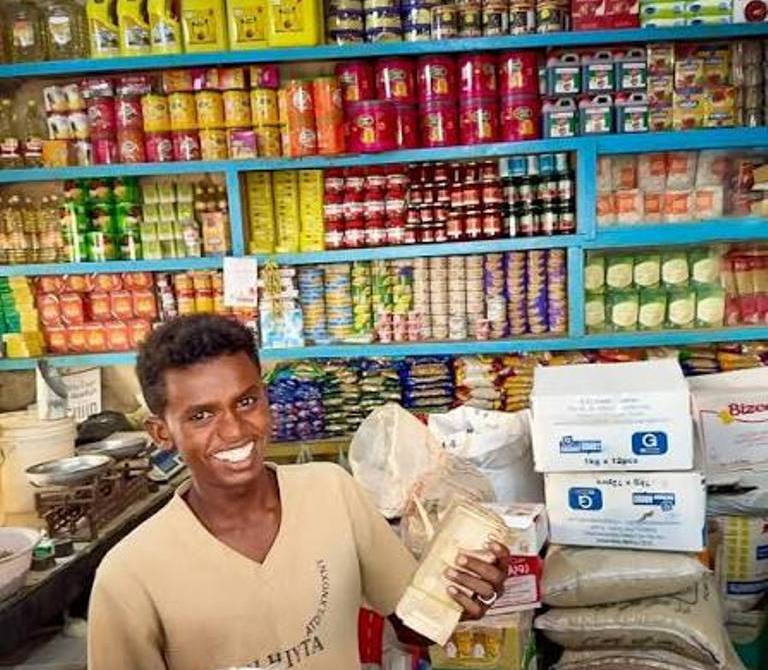
September 16, 2026 (KHARTOUM) – Markets across the Sudanese capital ground to a halt on Wednesday as a sharp depreciation of the pound forced traders to suspend sales, fearing they would be unable to replenish depleted inventories.
The paralysis followed fresh losses for the local currency on the parallel market, where rapid volatility has directly chained retail shelf prices to daily exchange rate fluctuations.
The U.S. dollar traded at roughly 8,800 Sudanese pounds on Wednesday, down sharply from between 7,200 and 7,300 pounds at the start of the week.
Prices for essential staples jumped in tandem. A 50-kilogramme bag of sugar rose above 420,000 pounds, while flour reached 116,000 pounds.
A 20-kilogramme sack of lentils traded at 165,000 pounds, rice climbed to around 230,000 pounds, and broad beans reached 310,000 pounds.
Hussein Abdullah, a local merchant, told Sudan Tribune that many shopkeepers shuttered premises to avoid selling at a loss as the greenback appreciated.
Abdullah said revenue generated from existing stock was no longer sufficient to fund wholesale replacement orders, rapidly eroding working capital.
He added that vendors could not establish stable retail quotes, requiring continuous repricing based on replacement costs.
Critics accused authorities of neglecting the market deterioration and failing to rein in currency speculation.
Ibrahim Ali, a local consumer, said most retail outlets had halted transactions because vendors could not calculate prices for goods heavily reliant on imports.
Ali warned closures would continue as the exchange rate breached 8,000 pounds, severely disrupting supply lines and working capital.
Rahma Abdullah, a resident in the Halfaya district, said the market shutdowns and surging costs hit low-income households disproportionately as real purchasing power collapsed.
She said the retail standstill restricted access to basic provisions, calling for urgent fiscal intervention.
Kamal Karrar, an independent economist, said Sudan’s economy faced a deepening contraction compounded by falling output, rising freight fees, tariffs, and unanchored currency depreciation.
Karrar described the situation as a byproduct of a war economy, pointing to military expenditures financed largely via import tariffs, taxes, and monetary expansion amid depressed domestic output.
He noted that real household incomes were deteriorating rapidly, adding that fiscal stopgaps would fail to stabilize the market absent an end to the conflict.
The civil war that erupted in April 2023 has shattered domestic supply chains and transport links, driving up operating overheads and worsening consumer price inflation.