
Study reveals gap between civic engagement and political participation for Sudanese women and youth
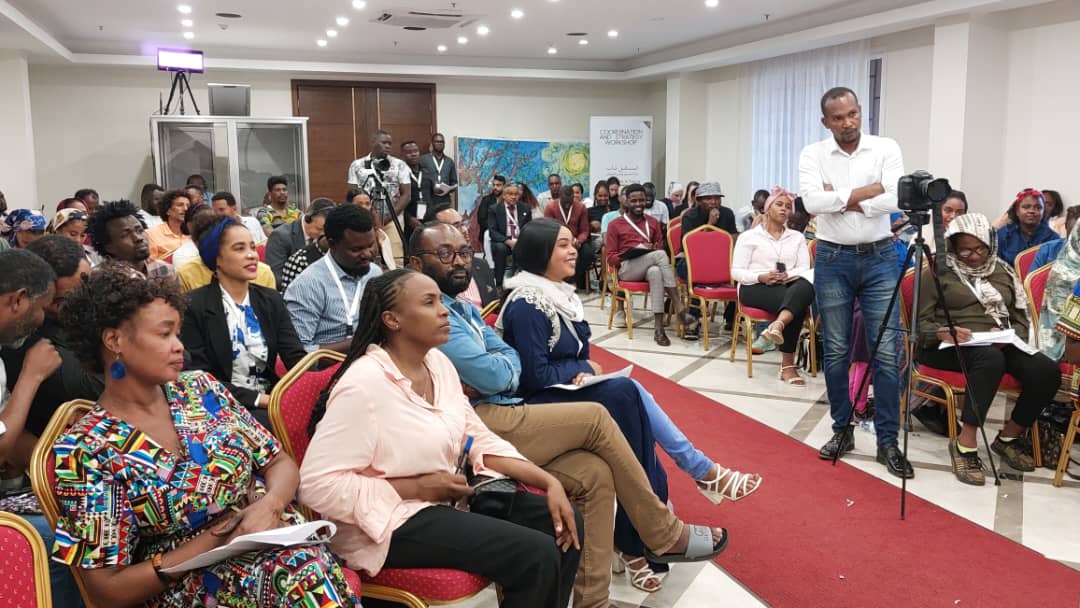
October 16, 2026 (KHARTOUM) – A field study revealed a significant gap between women and youth participation in civic work in Sudan, which reached about 75%, and their involvement in political processes and decision-making, which fell to 16.8% and 14%, respectively.
These discussions come amid the war that erupted in Sudan in April 2023.
The conflict has brought growing humanitarian needs and a decline in basic services.
This situation has prompted community initiatives to take on roles in providing food and aid and organizing responses to local needs.
A recent forum highlighted the disparity between the influence military power grants warring parties and the negotiating capacity of civil forces.
This disparity persists despite the expertise women and youth gained through community work during the war, including running soup kitchens, emergency committees, and humanitarian initiatives.
The study’s results were presented during the third forum of the “Sudan Peace Appeal” series in an online seminar.
The findings showed that 93.4% of respondents consider peace a fundamental option, while 90% believe accountability and justice are necessary.
Additionally, 44% highlighted the importance of coordinating and integrating women’s and youth efforts to support the peace track.
The forum, organized by the Sudan Peace Advocacy Group, was titled “From Participation to Impact: How the Community Power of Women and Youth Transforms into Authority in Peacemaking.”
It discussed ways to strengthen the role of both groups in negotiations and decision-making, given their expanded participation in civil and community initiatives during the war.
Participants said previous peace experiences limited women’s and youth participation to advisory and symbolic roles, without granting them sustainable influence in decision-making.
They attributed this to negotiation tracks being limited to parties in armed conflict, as well as the weak representation of both groups in leadership positions within political parties and movements.
They noted that adopting numerical quotas for women’s and youth representation does not guarantee genuine impact unless paired with a mandate from grassroots communities and mechanisms to carry their demands to the negotiating table.
Soup kitchens and emergency committees have emerged among the initiatives that helped assist communities affected by the war.
Forum participants argued that this community presence has not translated into equal participation by women and youth in political and negotiation tracks.
Participants called for restructuring the peace process and decision-making institutions.
They urged creating an independent civil mechanism to monitor negotiations and connect grassroots communities to the political process.
They also advocated expanding women’s and youth participation to include drafting, implementing, and monitoring agreements.
They demanded protection, funding, and access to information to ensure effective participation.
Expanding the negotiation table is not an end in itself unless it gives women and youth the real ability to influence decisions that shape the country’s future, they stated.