
Sudan’s Burhan rejects external rule and dialogue with RSF in Wadi Halfa address
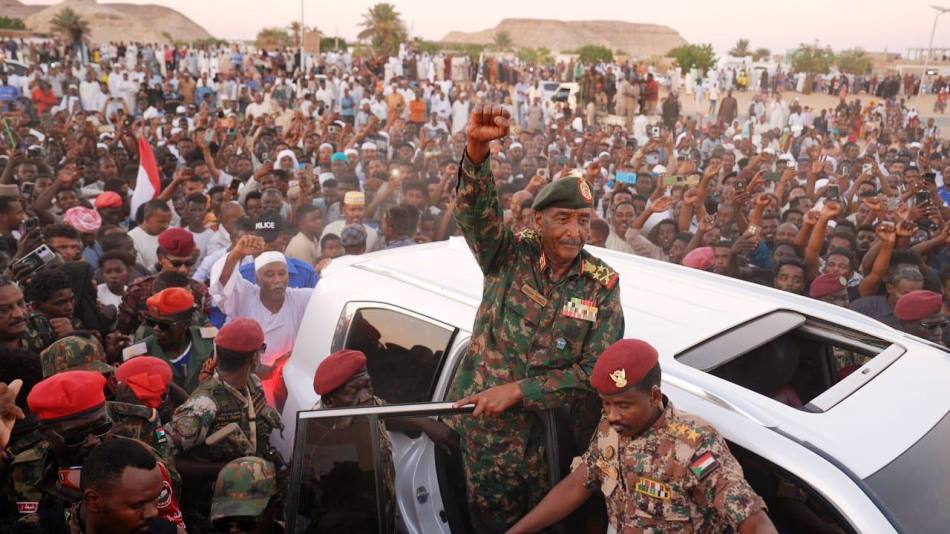
October 21, 2026 (WADI HALFA) – The Chairman of the Transitional Sovereign Council and Commander-in-Chief of the Sudanese army, Abdel Fattah al-Burhan, said on Tuesday that Sudan will make no room for those he described as agents, rejecting any attempt to impose rule on the Sudanese people from abroad.
Addressing a public gathering in Wadi Halfa in the Northern State, Burhan said, “Sudan is open to all its sons; if you want respect, come inside.”
He rejected attempts to reach power through espionage or foreign backing.
He continued, “No one can dominate the Sudanese people. Neither Hamdok nor the Forces for Freedom and Change (FFC) coalition will return. Anyone who brings weapons from outside to rule us will only do so over our dead bodies,” in reference to his refusal of political forces returning to power with external support or imposing their will on the Sudanese.
Burhan renewed his rejection of negotiations with the Rapid Support Forces (RSF), saying there is no room for dialogue with the rebellion.
He added that their only option is to lay down their weapons and surrender, or face continued military operations.
He also directed a message to the parties he said are inciting against Sudan, calling on them to come inside the country, and stressing that no party will be able to impose its will on the nation from the outside.
The Chairman of the Sovereign Council emphasized that there is no guardianship over the Sudanese people or the army, and that choosing who rules the country must be done through elections, stating that “the final say belongs to the Sudanese people.”
Burhan reassured citizens about the country’s future, affirming that the state will continue its path and that Sudan will move forward.
He urged the Sudanese people not to fear or worry about the nation’s future.
In a related context, Burhan thanked the Arab Republic of Egypt, confirming that Egyptian citizens in Sudan are “safe and have no problems,” and highlighting the importance of continued communication between the two countries and strengthening shared interests.