
Sudanese pound plunges past 10,000 against US dollar
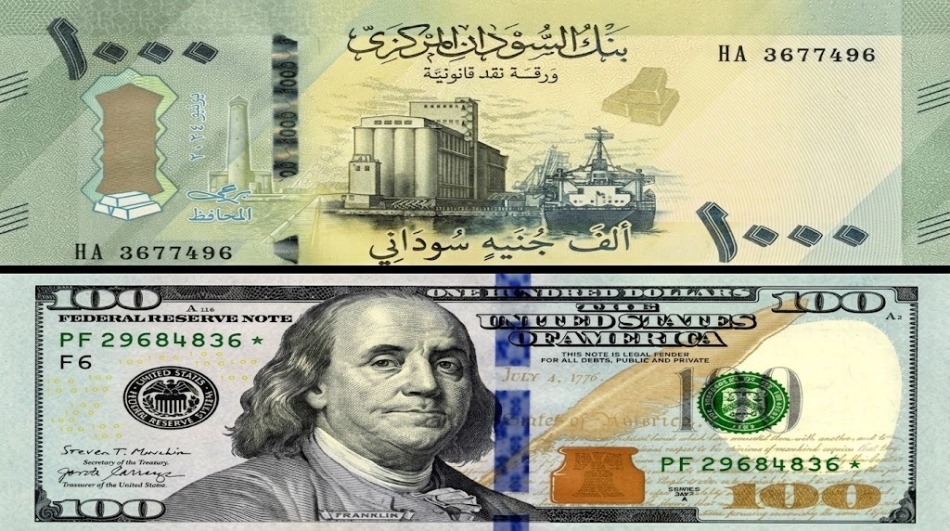
October 21, 2026 (KHARTOUM) – Sudan’s local currency has plummeted to unprecedented levels, with the exchange rate surpassing 10,000 pounds to one U.S. dollar amid foreign-currency shortages and rising demand.
The Sudanese pound has been falling sharply against foreign currencies for weeks.
This drop has raised prices for basic goods and services and worsened the cost of living for citizens.
Currency traders told Sudan Tribune on Wednesday that the pound has resumed its downward trajectory.
“The selling price of one dollar reached 10,105 pounds, the Saudi riyal traded at 2,645 pounds, and the Egyptian pound at 190 pounds,” one trader said.
The UAE dirham sold at 2,750 pounds, while the euro hit 11,320 pounds, the traders added.
Traders attributed the pound’s decline to increased demand for foreign currencies, particularly from importers and fuel companies, and to a lack of genuine economic solutions to address imbalances in the foreign exchange market.
One trader noted that the market is seeing growing demand for foreign currency from various groups, including individuals seeking to preserve their savings amid the local currency’s continued depreciation.
Authorities resort to increasing customs duties, taxes, and levies during crises instead of seeking radical solutions to the economic situation, the trader said, adding that these policies have exacerbated the foreign currency shortage.
The renewed decline of the Sudanese pound comes as the foreign exchange market faces mounting pressure from high demand for hard currency, especially to cover the fuel sector’s needs.
This coincides with ongoing fluctuations in gold prices, which are one of the country’s most important sources of foreign exchange.
These developments increase pressure on local markets, as the exchange rate ties the cost of importing goods and fuel.
This directly affects the prices of goods and services, deepening the living and economic challenges citizens face.