
Sudan and the EASF: Rejecting the Helmet, Welcoming the Tie
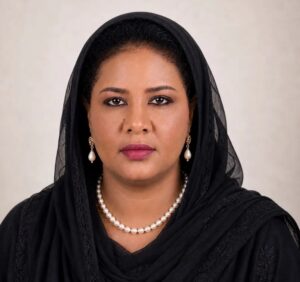
By Lubna Ahmed Hussein
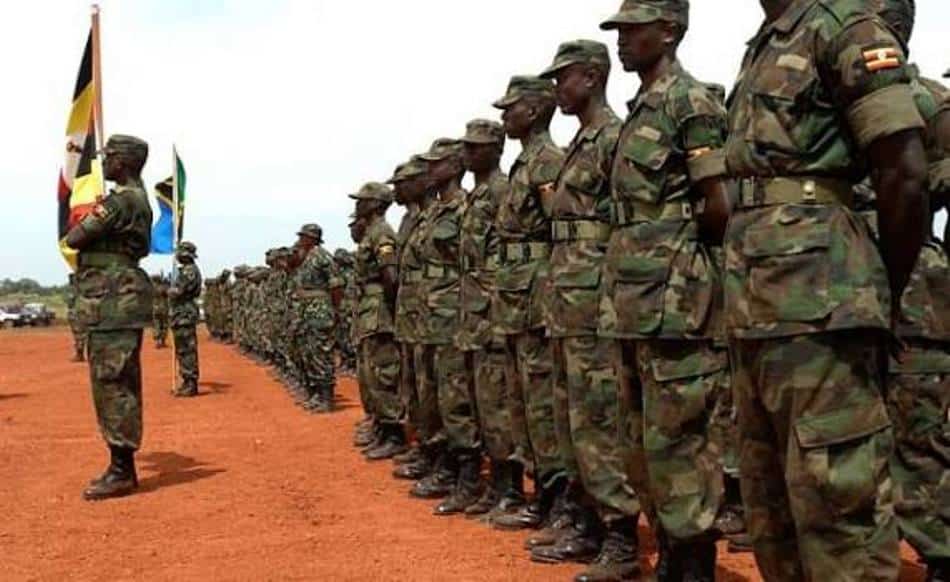
The Eastern Africa Standby Force (EASF) was rejected when its helmet meant protecting Sudanese blood, with authorities calling it an occupation. Today, it is welcomed because its necktie is a political prize.
Damn it!
It was rejected on July 11, 2023, while Khartoum was bleeding, bodies and severed limbs lay strewn across Old Omdurman, and some army brigades buckled under the humiliation of Rapid Support Forces (RSF) soldiers.
Amid that devastation and wreckage, a regional African force was offering: “We are coming to help you. We will deploy to protect civilians and help maintain security.”
The Foreign Ministry responded that any foreign troops would be treated as aggressors.
The authorities said no to the EASF in defense of sovereignty and dignity.
Yes, sovereignty and dignity.
As the Sudanese proverb goes, “They came to help him bury his father, and he hid the shovels.”
The EASF is no alien from Mars.
It is the Eastern Africa Standby Force, and Sudan is one of its 10 founding member states. One of its first and largest field training exercises was held at Gebeit camp in eastern Sudan in 2017. It was never a stranger to Sudan.
So why was it rejected? Was Sudanese blood so cheap that it did not deserve protection?
Now consider the irony.
When the Rapid Support Forces (RSF) seized the Heglig oil field in December 2025, South Sudan’s President Salva Kiir, Sudan’s army chief Abdel Fattah al-Burhan, and RSF leader Mohamed Hamdan Dagalo agreed to a tripartite arrangement under which South Sudanese troops would deploy to protect the oil facilities.
Burhan’s authorities said nothing about “interference in internal affairs,” “occupation,” or “violation of sovereignty.” The door was opened to a foreign army to guard Sudan’s oil.
Because oil is precious.
And when RSF drones set fire to fuel depots in Port Sudan, the government asked Saudi Arabia to send firefighting aircraft to help bring the blaze under control.
Because fuel is precious.
Sovereignty and dignity posed no problem when it came to oil and its facilities. Why, then, were they an obstacle when it came to protecting the lives of citizens?
Why did Burhan’s authorities reject the helping hand of an African force that Sudan helped establish and train, only to accept foreign troops or assistance later when it came to oil?
And now the EASF itself has announced that Sudan will take over the chairmanship of its political organ in 2027.
The announcement followed a decision by EASF policy organs, and an EASF delegation subsequently visited Khartoum to discuss preparations for Sudan’s upcoming chairmanship.
Burhan’s authorities welcomed the announcement with ululations and celebration. They did not say, “This is an occupying force!” Nor did they say, “We do not want to take part in violating the sovereignty of other countries.”
I am not here to discuss the legal characterization of a suspended African Union member state assuming the chairmanship of a political organ within this system. Rather, I ask Burhan’s authorities:
If the EASF is an occupying force and foreign interference, how can you accept chairing its political organ today?
And if it is a professional regional African force, why were Sudanese denied its protection when they needed it most?
Its helmet was rejected when it meant protecting Sudanese blood.
Today, its necktie is welcomed because it is a political prize?
Damn it!
I therefore strongly oppose Sudan, under General al-Burhan’s authority, assuming any position within the EASF.
I call on human rights organizations and civil society groups across EASF member states to press their governments to block this appointment and deny Burhan’s authorities any political or financial reward within a force they once condemned as an occupation.
If its helmet was unacceptable when it offered to protect Sudanese lives, its necktie should be no prize today.