
RSF strikes hit Ed Damazin and rebels capture Sali as Blue Nile government urges calm
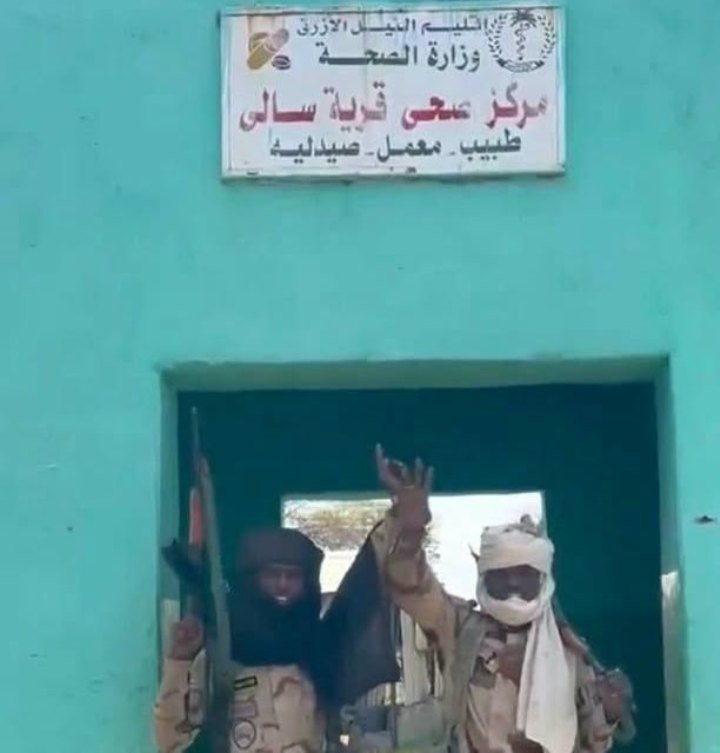
November 6, 2026 (ED DAMAZIN) – Damage consistent with drone strikes by the Rapid Support Forces has been identified in Ed Damazin, alongside the capture of the town of Sali, as the Blue Nile regional government issued an urgent appeal for public calm.
A new report by the Yale Humanitarian Research Lab detailed conflict-related damage to both civilian and military installations in Ed Damazin visible in satellite imagery between October 29 and November 4.
Local media sources reported multiple explosions from drone strikes in the city overnight on November 3 and into the early hours of November 4, prompting government officials to cut the city’s power as a precautionary measure.
Addressing the escalating military operations on Friday, the Blue Nile regional government urged citizens not to panic or fall prey to social media rumours.
In a public statement, the official spokesperson acknowledged the psychological toll of the conflict, noting the anxiety caused by artillery fire and unverified news.
The government emphasized that field movements and shifting control are normal aspects of war, cautioning that tactical changes should not be automatically interpreted as a military collapse or defeat.
According to the Yale report, at least six instances of munitions impacts or thermal scarring occurred in civilian areas of Ed Damazin, including near the Al-Zuhur and Sabeen markets, and outside a mosque.
Open sources indicated that one woman was killed in the strikes near the Al-Zuhur neighbourhood.
Military sites were also targeted, with aerial munitions damage identified at the Sudan Armed Forces 44th Artillery Division barracks, where open sources reported one man was killed, and additional destruction was identified on the perimeter of the SAF 4th Infantry Division Base.
South of Ed Damazin, the Yale report corroborated the capture of Sali by the RSF and the Sudan People’s Liberation Movement-North.
Satellite imagery indicated that the SAF encampment in Sali, a gold mining area located on the main road between Ed Damazin and Kurmuk, was completely razed after the RSF attacked the area in late October and early November.
In the border city of Kurmuk, satellite imagery revealed the RSF controlling and hardening road infrastructure connecting Sudan to Ethiopia, highlighting the city’s critical logistical role.
Across the border, the Yale report identified construction, cargo transport, and vehicle activity at the Asosa ENDF base in Ethiopia, consistent with materiel support for RSF operations in the Blue Nile axis.
The ongoing conflict is exacerbating a severe humanitarian crisis in Ed Damazin, where over 800 new temporary shelters appeared at the local internally displaced persons camp over a one-month period.
Satellite imagery from November 4 also showed long queues, including animal-drawn carts and pedestrians, at seven fuel stations in Ed Damazin.
Regional authorities stated they are coordinating with military and security forces to monitor developments, maintain stability in safe areas, and ensure the continuation of basic services amid inflation and the fuel crisis.
The government spokesperson warned against the dangers of unverified information and the circulation of old footage on social media, stating that wartime rumours can disrupt public life and severely impact community morale.