
Ethiopia’s Abiy launches initiative to host inclusive Sudanese dialogue
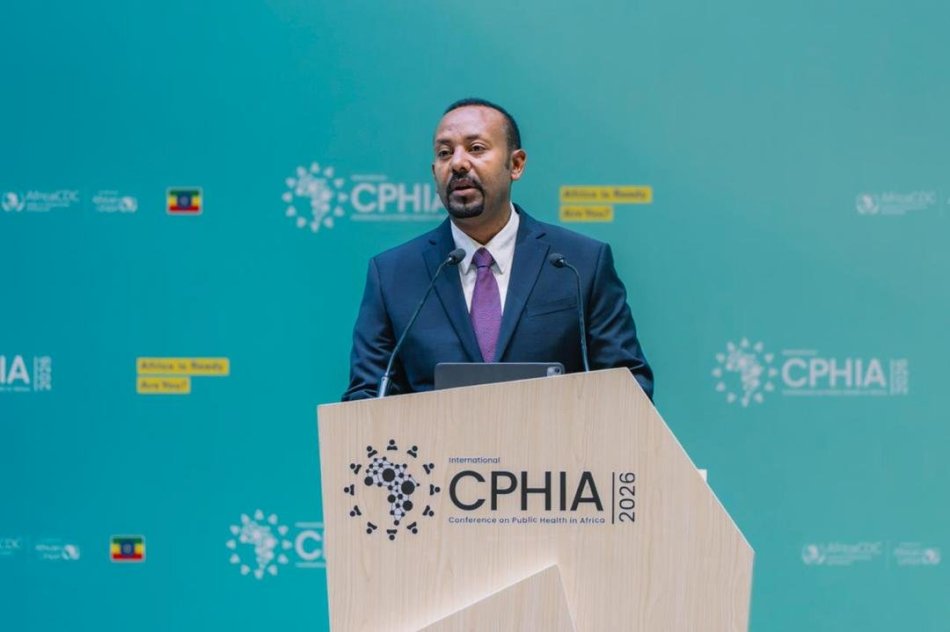
November 24, 2026 (ADDIS ABABA) – Ethiopian Prime Minister Abiy Ahmed launched an initiative on Tuesday to host and sponsor an inclusive, open dialogue in Addis Ababa, bringing together all Sudanese military, political and civil components.
The announcement comes amid weeks of acute tension between Sudan and Ethiopia following mutual accusations of supporting armed opposition groups in each other’s countries.
Separately, Sudan’s military-led government has been moving forward with plans to convene an internal national dialogue backed by the international community, aimed at bringing all political factions together inside the country to chart a path out of the conflict.
In a statement in Arabic released on his personal social media pages, Abiy said the Ethiopian government was “putting forward a sincere and dedicated initiative inviting all Sudanese parties, across their various military, political and civil components, to participate in a comprehensive and open Sudanese dialogue hosted and sponsored by Ethiopia.”
He said the initiative aims to create a serious climate for dialogue, halt the war, end fighting and division, and reach a national consensus to establish comprehensive and sustainable peace.
Abiy stressed that the proposal is not driven by any special political agenda and does not seek to achieve interests or gains at the expense of any Sudanese party.
He said Ethiopia is prepared to stand at an equal distance from all sides and provide a platform characterized by openness, seriousness and mutual respect, enabling Sudanese to resolve their differences by their own independent national will.
The prime minister expressed hope that the talks would lead to broad political understandings, including a ceasefire, a comprehensive national process, and transitional arrangements such as forming a widely accepted government of national unity to restore state institutions and rebuild war-torn areas.
“Ethiopia does not believe in imposed solutions, which cannot establish lasting peace,” Abiy said, adding that Sudan’s future must be decided by Sudanese alone and that the goal is not the victory of one faction over another, but ending the bloodshed.
He also appealed to the international community, regional bodies and friendly nations to intensify humanitarian efforts for the displaced and refugees, and to back serious peace efforts free from narrow calculations or polarization that prolong the conflict.
Abiy affirmed that Addis Ababa is ready to leverage its regional and international diplomatic ties to help bring the warring sides to the negotiating table, calling on all Sudanese parties to respond with a sense of national responsibility.
Political analyst Ahmed Al-Bahi told the Sudan Tribune news outlet that the Ethiopian initiative was a sincere call at a critical juncture, urging the warring factions to prioritize national interests and end humanitarian suffering.
Al-Bahi noted Ethiopia’s pivotal role as a neighbour with deep social ties to Sudan, citing Addis Ababa’s past mediation in the 1972 Addis Ababa Agreement, post-secession security and oil deals between Khartoum and Juba, and the 2019 talks that paved the way for Sudan’s constitutional declaration.
Hisham Mustafa Salah Al-Din, an international relations researcher, told Sudan Tribune that the ongoing war poses a direct threat to Ethiopian national security and the stability of the Horn of Africa.
Salah Al-Din added that Addis Ababa aims to reclaim diplomatic initiative in the region and prevent an internationalization of the crisis that could harm neighbouring states, noting that an Ethiopian-sponsored, Sudanese-owned dialogue aligns with the principle of African solutions to African problems and seeks to break the deadlock of previous negotiating platforms.