
ICRC ready to act as neutral intermediary for Sudan prisoner releases
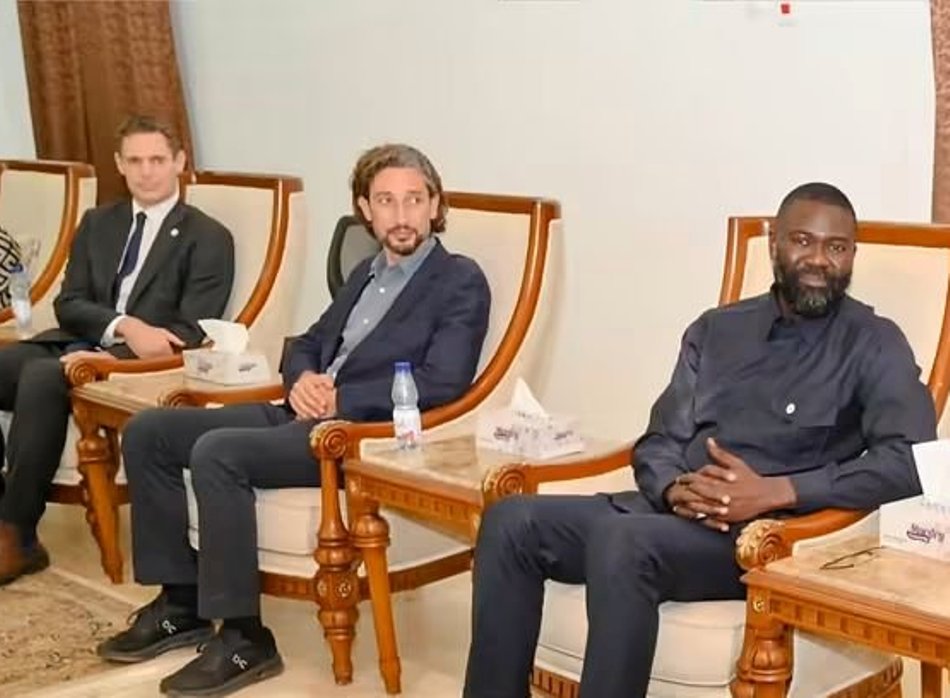
November 29, 2026 (KHARTOUM) – The International Committee of the Red Cross (ICRC) stands ready to act as a neutral intermediary to facilitate the safe release and transfer of conflict-related detainees in Sudan if the warring parties reach an agreement, its Regional Director for Africa, Mamadou Sow, told Sudan Tribune.
In an exclusive interview following his November 16–20 mission to Sudan, where he met with Transitional Sovereignty Council Vice-President Malik Agar on November 18, Sow outlined the severe access constraints facing humanitarian teams. While the ICRC seeks regular access to all conflict-related detainees, including those held in facilities such as Daqris and Shala, Sow noted that conditions remain too restricted for sustained visits.
During his field visits to affected communities and displacement sites in areas such as Omdurman’s Ombadda district, Sow observed severe shortages of basic services, noting that displaced families and children are forced to travel long distances, often using donkeys, to fetch water. He said the conditions he witnessed on the ground underscored the acute strain on essential infrastructure and the urgent need to protect civilians and humanitarian operations.
Sow also detailed the organization’s core relief operations alongside the Sudanese Red Crescent Society, noting that the ICRC provided cash assistance to nearly 392,500 people across eight states in 2026 to help displaced families and host communities cope with acute food insecurity and damaged infrastructure.
Prisoner exchanges and detainee access
Sow said the ICRC is in close contact with the Sudanese Armed Forces (SAF), the Rapid Support Forces (RSF), and the United Nations regarding public statements on potential prisoner releases, though it is not leading or participating in negotiations. “Should they reach an agreement and request the ICRC’s humanitarian support, we stand ready to act as a neutral intermediary and facilitate the safe and dignified release and transfer of conflict-related detainees, always with the consent of those concerned,” he said.
Regarding detainees held in facilities such as Daqris and Shala, Sow stated that the organization seeks regular access to all individuals deprived of their liberty in connection with the conflict to assess their treatment, health conditions, and restore family contact. However, he noted that current access remains “too limited for us to conduct our usual visits and activities in a sustained manner,” adding that any findings from occasional visits are shared strictly bilaterally and confidentially with the detaining authorities.
Supporting displaced civilians and addressing hunger
With more than 11 million people displaced internally since April 2023 and 19.5 million facing acute hunger, Sow said the ICRC prioritizes aid based on humanitarian vulnerability rather than displacement status. Working alongside the Sudanese Red Crescent Society, the organization provides food, essential household items, clean water, and healthcare, while supporting agriculture and livestock to prevent long-term reliance on aid.
Between January and October 2026, the ICRC distributed direct cash assistance to 392,484 people across eight states—Blue Nile, East, North and Central Darfur, River Nile, North Kordofan, White Nile, and Kassala. Internally displaced persons accounted for roughly half of the beneficiaries, at 196,536 people, while 25,290 residents in Kassala received dedicated cash grants to purchase agricultural inputs and protect their livelihoods.
Tracing the missing and regional impact
Between April 1, 2023, and September 30, 2026, the ICRC registered 10,279 tracing cases for missing persons in Sudan, of which 8,061 remain active, a figure Sow emphasized represents only registered cases rather than the true total of missing individuals. Alongside restoring family links and supporting forensic capacity to manage human remains, he stressed that warring sides must take all feasible steps to clarify the fate of the missing.
Across Sudan’s borders, where more than 4.6 million refugees have sought shelter, the ICRC coordinates with National Red Cross and Red Crescent Societies to reunite separated families and provide targeted water and healthcare support to ease the heavy strain on neighbouring host communities.
Protection of civilians and humanitarian access
To curb attacks on civilians and hospitals, the ICRC conducts confidential, bilateral dialogue and training on international humanitarian law with armed forces and weapon bearers, reminding them “that even wars have limits and that when these limits are crossed, civilians suffer the most.”
Sow stressed that strict neutrality, impartiality, and independence enable the ICRC to speak to all sides and secure safe passage for relief supplies, calling on external actors with influence over the warring factions to safeguard humanitarian space. While declining to specify a funding figure for 2027, he said the ICRC’s operational budget is tailored to urgent protection and relief priorities within its mandate, noting that Sudan’s needs far exceed the capacity of any single organization.