
Kassala security committee imposes strict measures following communal tensions
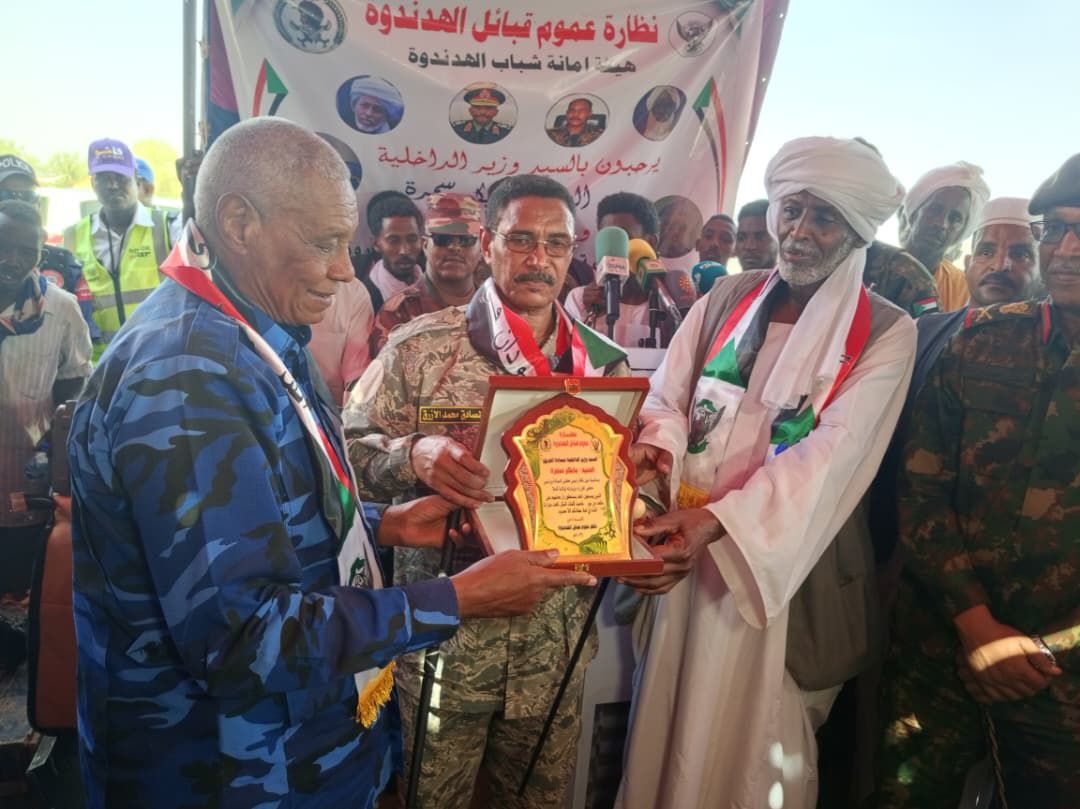
June 5, Kassala — The security committee of Kassala State in eastern Sudan imposed a package of strict security and regulatory measures on Friday following a surge in communal tensions. Authorities stated the friction was linked to the Interior Minister’s recent visit to Aroma locality.
The new protocols include cracking down on perpetrators of hate speech, banning the carrying of weapons in public spaces, and restricting public gatherings and mass activities.
The decisions follow a state of social congestion and an exchange of accusations between various social components in the state. The friction was sparked by reactions to the Interior Minister’s visit to Aroma, which triggered widespread debates across media outlets and social media platforms, raising deep concerns over its implications for social peace and security stability in the state.
In a formal statement, the state’s security committee indicated that it has been closely monitoring recent developments. It held a series of meetings with native and community leaders to listen to diverse perspectives on the recent events, while evaluating ongoing efforts to contain the friction and prevent it from escalating into a threat to public safety.
The committee emphasized that the state views all components of Kassala society with equal standing, and is committed to protecting social peace while promoting values of coexistence, tolerance, and national unity. It reiterated its absolute rejection of any rhetoric or practices designed to incite sedition, fuel conflict, or compromise the state’s security.
Consequently, the committee announced it has directed competent authorities to immediately arrest and initiate criminal proceedings against anyone found involved in publishing or promoting hate speech, racism, or insults against the state and its institutions via social media or any other platforms.
Furthermore, a total ban has been placed on carrying both firearms and bladed weapons inside markets, public areas, and residential neighborhoods. Authorities will enforce the immediate confiscation of weapons from violators.
According to the statement, the restrictions also bar the holding of any celebrations, rallies, workshops, or mass public events without obtaining prior authorization from competent authorities at least 48 hours before the scheduled event. The movement of unlicensed vehicles and motorcycles lacking official registration plates has also been prohibited.
The committee further banned the use of two-wheeled motorcycles to transport more than two people, with immediate legal action to be taken against violators. Competent authorities and regular forces have been mandated to execute these directives and submit periodic compliance reports.
To foster long-term stability, the committee approved several community-backed measures. These include regulating media activities within social components, appointing official spokespersons, and banning unauthorized statements issued on behalf of those groups. Additionally, authorities are studying the establishment of a periodic consultative council for native leaders to manage social crises and promote early dialogue mechanisms.
The security committee has also tasked a joint committee—comprising native leaders and community figures, alongside representatives from the security body—with conducting mediation efforts to bridge viewpoints between the concerned parties, address the root causes of the tension, and solidify peaceful coexistence.
Stressing that the prestige of the state and the rule of law represent a “red line,” the committee affirmed that specialized bodies will deal firmly with any attempts to destabilize security, incite violence, trigger tribal conflicts, or disrupt social peace.
It urged citizens, political forces, community organizations, and the media to exercise national responsibility, verify information accurately, and stay away from rumors, hate speech, and polarization.
Kassala State periodically witnesses tensions of a tribal and social nature. While authorities and native administrations continuously seek to contain disputes through local dialogue and consensus, recurrent warnings remain over the dangerous fallout of hate speech and incitement on social cohesion and security in eastern Sudan.