
Sudan’s paramilitary RSF holds parallel high school exams in Darfur and Kordofan
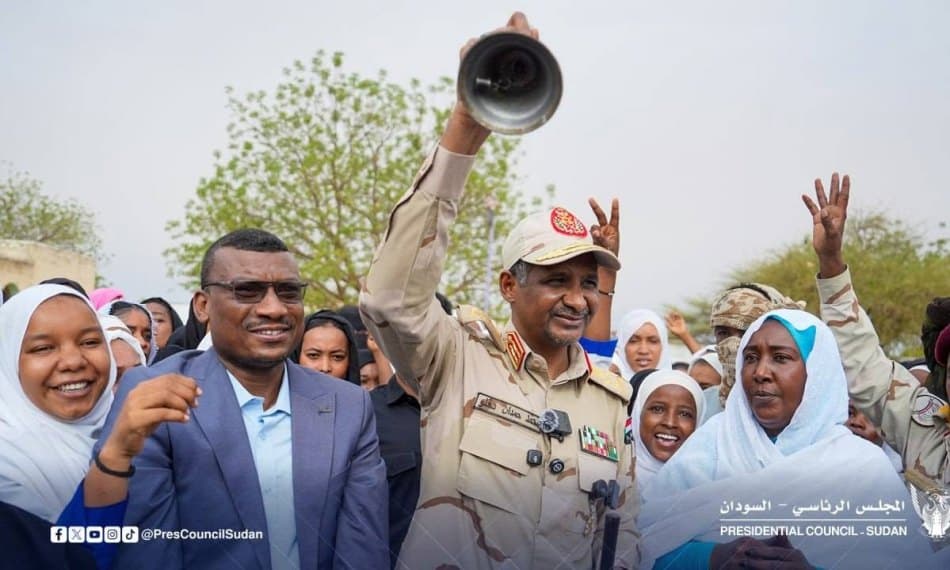
June 7, 2026 (NYALA) – Parallel high school certificate examinations began on Sunday in Sudan’s western regions of Darfur and Kordofan, marking the first time such tests have been administered in areas under the control of the paramilitary Rapid Support Forces (RSF).
The move has raised widespread concerns among educators and political analysts that the creation of separate testing systems could deepen the administrative and political fragmentation of the war-torn country.
The RSF-backed examinations in Darfur and parts of West and North Kordofan were launched in response to the central government’s own official testing sessions. Since the outbreak of hostilities in April 2023, the army-led government has organized three exam periods, restricted to states under military control and refugee hubs in neighbouring countries.
While thousands of displaced students managed to flee RSF-controlled zones to sit for government tests in northern Sudan or neighbouring Chad, many others remained trapped behind conflict lines.
RSF Commander Mohamed Hamdan Daglo, known as Hemetti, rang the bell to launch the examinations at the Al-Wahda Secondary School for Girls in Nyala, the capital of South Darfur state. The school has been converted by the RSF and its political allies into a prominent administrative and military base.
Addressing a crowd of students and educators, Daglo described the parallel testing system as a major step toward stabilizing the educational process and restoring public life in the region.
Daglo promised to pay salaries to all teachers working within the RSF-controlled territory. Most local educators have worked without pay for over three years after the central government suspended salaries for civil servants remaining in areas held by the paramilitary group.
The Sudanese Teachers’ Committee said it was monitoring the parallel testing process, reiterating its support for the basic right of students to continue their education away from political and military polarization.
The committee emphasized that its position should not be interpreted as an endorsement of either warring faction or any political project. It added that education must serve as a bridge for national peace rather than a mechanism to institutionalize the wartime partition of Sudan.
The educators’ union previously called for the creation of an independent national committee composed of neutral educational experts to oversee unified examinations across the country, warning that dual systems risked formalizing a permanent split between government and RSF-held regions.