
Cholera cases hit 911 in Sudan’s Kordofan amid medical shortages
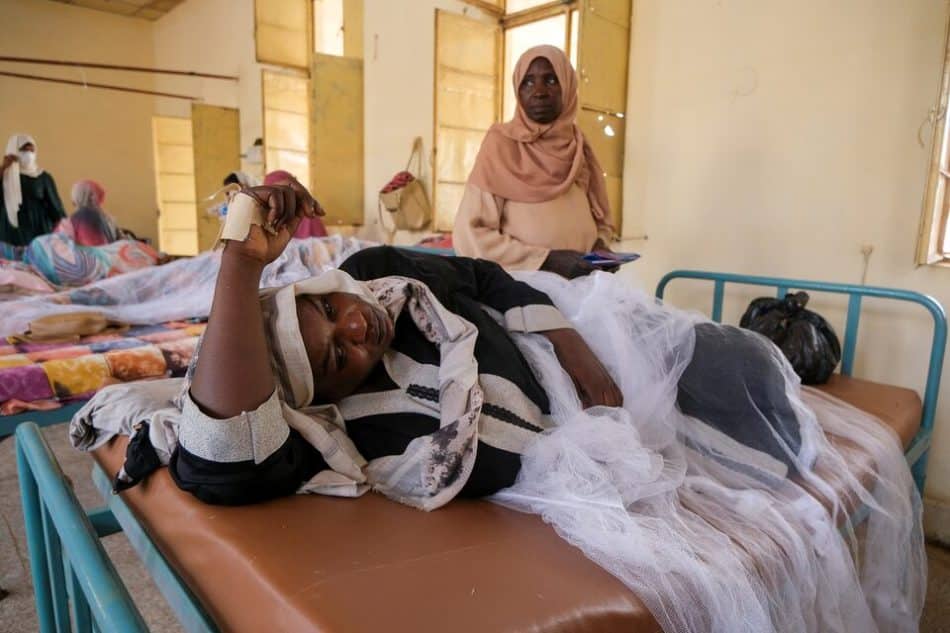
June 30, 2026 (KHARTOUM) – Cholera cases and deaths in Sudan’s West and North Kordofan states have risen to 911 infections and 127 fatalities, the Sudanese Ministry of Health said on Tuesday, as volunteers warned of severe medical supply shortages.
The Al-Mazroub area in North Kordofan has emerged as the main epicentre of the outbreak, recording 300 infections and 16 deaths within three weeks after the disease spread from neighbouring West Kordofan, medical sources said.
The health ministry said in a statement that it has established three isolation and rehydration centres in West Kordofan and activated a technical committee for epidemic control to manage the crisis.
Volunteers operating in North and West Kordofan, areas largely under the control of the paramilitary Rapid Support Forces (RSF), have reported acute shortages of life-saving treatments despite the rising caseload.
The World Health Organization (WHO) said on social media platform X that it is supporting the response in West Kordofan by providing medicine, expanding surveillance, and delivering water and sanitation services to curb the spread fueled by conflict and displacement.
In its broader health update, the ministry reported no new dengue fever cases in Gedaref, Kassala, and White Nile states, while cases decreased in River Nile state. Blue Nile and Al-Jazirah states recorded 108 cases of Hepatitis E, with no deaths.
Sudanese authorities are also continuing border screenings and temperature checks for international arrivals as part of Ebola preparedness efforts, the ministry added.
Health Minister Haitham Mohamed Ibrahim ordered officials to speed up the completion of a specialized Ebola isolation centre, noting that the national public health laboratory has upgraded its diagnostic capabilities.
The ministry acknowledged that the availability of 117 essential epidemic medicines and consumables, including intravenous fluids and malaria treatments, remains inconsistent across different states.
Separately, the health ministry announced that a polio reference laboratory in Red Sea state has resumed operations following a WHO-backed rehabilitation program, allowing Sudan to test polio samples internally for the first time.