
Sudan says Houthi blockade threat against Saudi ports imperils Red Sea shipping
July 21, 2026 (KHARTOUM) – Sudan said on Tuesday that the Yemeni Houthi group’s declaration of a naval blockade on Saudi ports poses a direct threat to Red Sea navigation, expressing full support for any security measures taken by Riyadh.
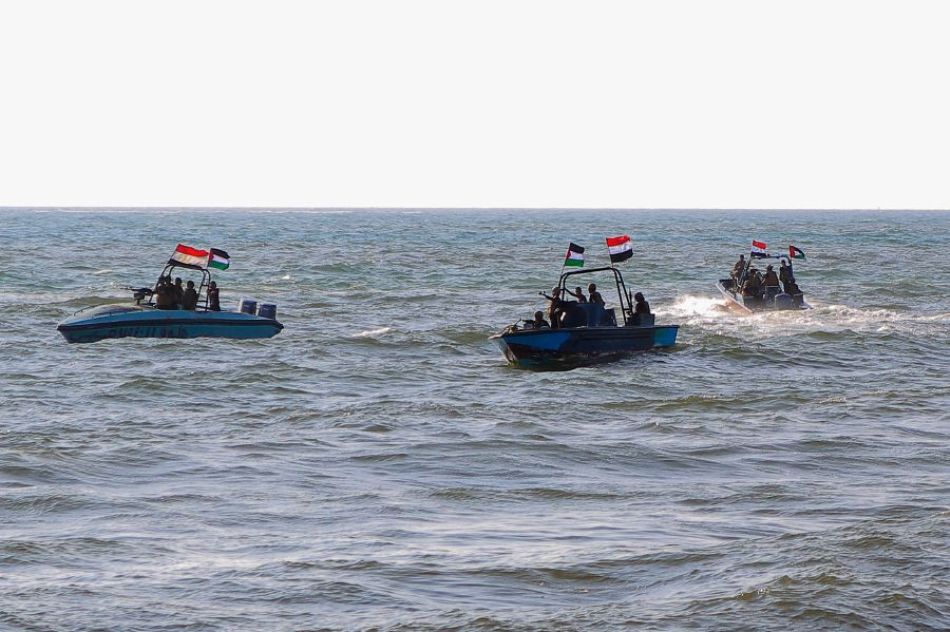
The Iran-aligned Houthis said on Tuesday that they forced six ships in the Red Sea to turn back after threatening to target vessels that fail to comply with their announced maritime ban against Saudi Arabia.
Houthi-run media quoted a military source saying six vessels turned around over the past 24 hours following warnings issued by the group amid escalating regional tensions.
Reuters reported that two oil tankers carrying Saudi cargoes bound for Asia altered course in the Red Sea on Tuesday following Houthi threats and headed toward the Suez Canal.
Sudan’s Ministry of Foreign Affairs said in a statement that the government is “deeply concerned regarding statements issued by the Houthi militia regarding the imposition of a naval blockade on Saudi ports, which poses a direct threat to Red Sea maritime navigation and harms the security and economic interests of coastal states.”
The statement reaffirmed Sudan’s full backing for Riyadh’s right to take all necessary security measures to ensure the safety and operation of its ports and safeguard Saudi national security.
The foreign ministry noted that the Houthi militia’s actions undermine security and stability in the Gulf region and Red Sea coastal states, carrying dangerous implications for broader regional security.
Sudan called on the Houthi movement to refrain from any actions targeting Saudi ports or other Red Sea coastal facilities.
It urged the regional and international community to exert further pressure and implement measures to combat and eliminate the activities of terrorist militias across the region.
The Red Sea is one of the world’s most vital maritime corridors, accounting for 10% to 15% of global sea trade alongside significant container and oil traffic, making disruptions a direct risk to international trade and energy markets.