
Sudan cabinet lifts import ban on 44 commodities to ease living costs
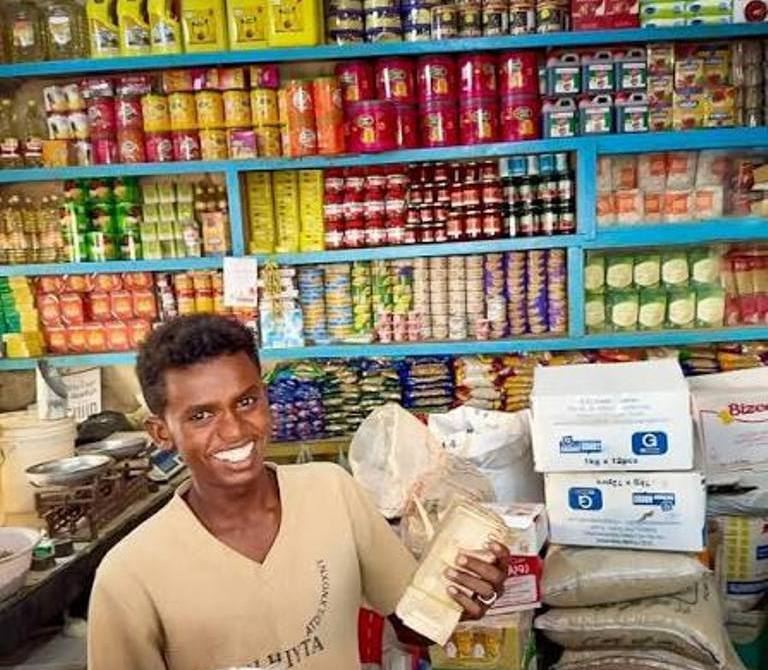
October 27, 2026 (KHARTOUM) – The Sudanese cabinet has specified a list of 44 commodities covered by a decision to lift an import ban, including fava beans and rice, alongside food and consumer items, building materials, and cosmetics.
The cabinet announced on Monday a decision to exempt several basic food commodities from customs duties and taxes, including value-added tax.
It also lifted the import ban on certain food and other commodities to ease the cost of living and provide goods to citizens.
According to a circular issued by the cabinet and obtained by Sudan Tribune on Tuesday, the transitional cabinet issued Decision No. 95 of 2026, lifting the ban on 44 commodities.
The Transitional Prime Minister, Kamil Idris, signed the decision on October 26.
The resolution stipulated lifting the ban on the goods listed in the attached annex and tasked the ministries of finance, industry, and trade; the customs forces; the General Intelligence Service; and other relevant authorities with taking the necessary measures to implement it.
The list included ready-made dairy products, processed meats, fish, biscuits, sweets, chocolates, jams, ceramics, marble, porcelain, textiles, carpets, and ready-made clothing.
It also covered leather goods, plastic packaging and utensils, mineral and carbonated water, ready-made juices, furniture, zinc sheets, and car accessories.
The list further included vegetables, fruits, table salt, tahini, instant noodles, raw materials for companies, weapons and ammunition for companies, perfumes, animal feed, cement, paints, laundry and bath soap, ornamental birds and fish, and decorative plants.
The list also included cooked food pastas, chips, crackers, ketchup, soups, broths, ice cream, cosmetics, chain products, silk and silk textiles, hats, whips, and musical strings.
The list also included artificial flowers and fruits, wigs, natural pearls, precious stones, traditional jewellery, toys, festival and carnival items, amusement goods, artwork, antiques, tomato paste, fava beans, and rice.
These measures come at a time when Sudanese markets are witnessing a continuous rise in the prices of consumer goods.
The depreciation of the Sudanese pound and the high cost of transporting goods between states, coinciding with a fuel shortage, are driving the increases.
The Chairman of the Transitional Sovereign Council, General Abdel Fattah al-Burhan, directed last Wednesday that the ban on imported goods be lifted and that basic food commodities be exempt from customs duties.
The National Chamber of Importers welcomed al-Burhan’s directives and demanded they be translated into a formal, explicit decision.
The chamber also called for lowering the customs dollar rate and cancelling the Advance Cargo Declaration (ACD) system.
Last April, the Sudanese cabinet banned the import of more than 40 commodities, describing them as luxurious and unnecessary.
The move aimed to curb the rising exchange rate in parallel markets, encourage local industries, and support the national economy.
The lifting of the ban comes as the government expands the scope of commodity imports and eases pressure on markets amid a declining local currency, rising transport costs, and fuel shortages.