
Sudanese pound plunges near 11,000 to the dollar as commodity prices soar
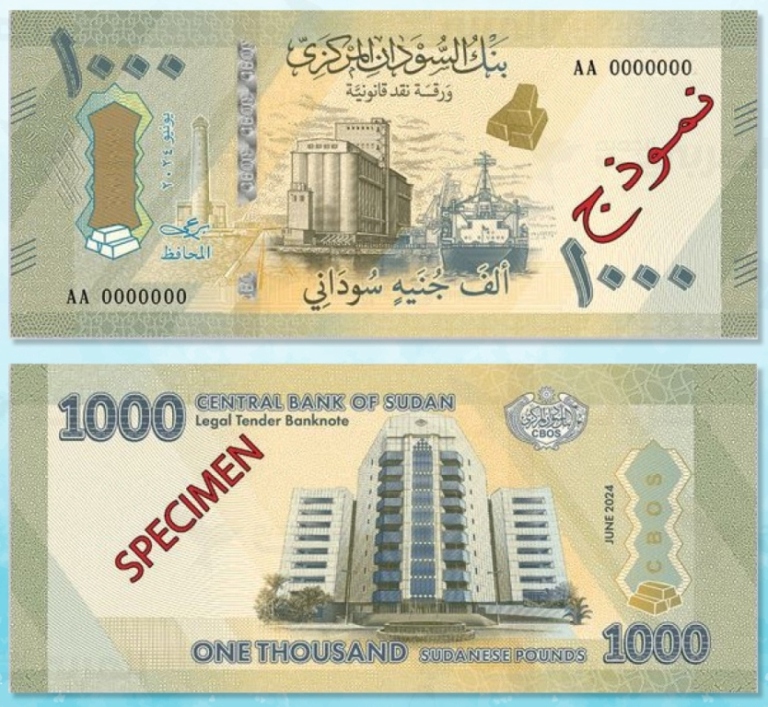
November 15, 2026 (KHARTOUM) – The Sudanese pound continued its record decline against foreign currencies on Sunday, nearing 11,000 to the U.S. dollar on the parallel market amid surging demand for foreign exchange.
The local currency has been experiencing an unprecedented drop for weeks, casting a heavy shadow over the country’s markets and driving a fresh wave of commodity price hikes.
Foreign exchange dealers told Sudan Tribune that the dollar traded between 10,800 and 11,000 pounds.
The selling price for the UAE dirham reached approximately 3,000 pounds, peaking at 3,150 in some transactions.
The Saudi riyal reached 2,865 pounds, and the Egyptian pound hit 218 pounds.
Traders attributed the currency’s decline to growing demand for foreign exchange for imports.
They noted that a large segment of citizens and merchants are converting their savings into foreign currencies, anticipating further depreciation of the pound.
Raw gold prices in Sudan also recorded a record jump, surpassing 1,210 pounds per gram.
Mutasim Mohamed Saleh, secretary-general of the Gold Exporters Steering Committee, told Sudan Tribune that the surge in gold prices is primarily driven by the pound’s depreciation on the parallel market, which serves as the main benchmark for local gold pricing.
Commodity prices have surged alongside the currency drop, with a 50-kilogram sack of sugar reaching around 430,000 pounds.
A sack of “Gondeila” dates hit 750,000 pounds, and a sack of onions reached 650,000 pounds.
A 25-kilogram sack of wheat flour reached 201,000 pounds, rice rose to 230,000 pounds, and a four-litre bottle of cooking oil reached approximately 335,000 pounds.
Amid official efforts to address the exchange market imbalances, the General Secretariat of the Advisory Board organized a panel discussion on Sunday to explore challenges threatening exchange rate stability in Sudan.
The event featured representatives from the acting minister of cabinet affairs, heads of government units, university professors, and economic experts.
A representative for the minister of cabinet affairs affirmed the government’s interest in the discussion’s outcomes, noting they will be submitted to decision-makers.
The advisory board’s secretary-general, Abdulaziz Ali Karrar, said the panel aims to formulate a comprehensive economic vision that moves beyond short-term fixes toward integrated structural reforms.
He emphasized the importance of linking public spending to available resources and directing it toward productive priorities.
The panel recommended adopting a comprehensive economic stabilization program agreed upon by monetary authorities and increasing the official supply of foreign exchange.
Experts also urged rebuilding trust in the banking system, expanding digital banking services, boosting local agricultural and industrial production, and directing imports according to clear economic priorities.