
Aid cuts and ongoing war push Darfur deeper into hunger crisis, camp group warns
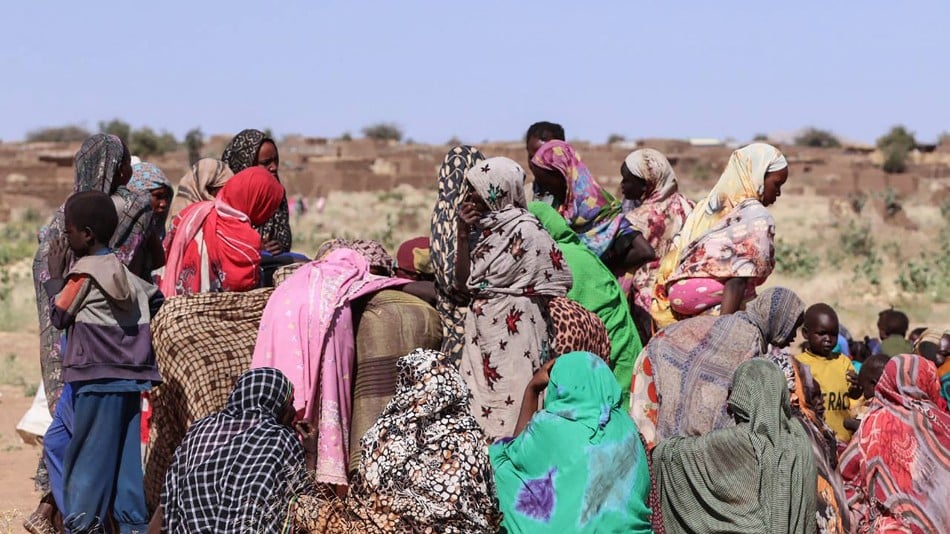
August 30, 2026 (TAWILA) — Plunging international aid, widening displacement, and sustained fighting are accelerating a catastrophic humanitarian breakdown across Sudan’s western region of Darfur, a grassroots displacement network warned on Sunday.
The warning from the General Coordination of Displaced Persons and Refugees in Darfur comes as relief agencies struggle to secure funding and deliver lifesaving aid amid active frontlines and deteriorating health conditions.
Adam Rajal, spokesperson for the coordination, told Sudan Tribune that emergency operations are failing to meet the bare minimum needs of displaced families following a 50% cut in food rations by the U.N. World Food Programme.
Rajal said acute hunger and malnutrition-related deaths are rising across displacement camps, disproportionately affecting young children and women. More than 21 million people across Sudan now face severe food insecurity.
Darfur’s medical infrastructure is also near collapse, with over a third of its healthcare facilities out of service, Rajal said.
In East Darfur, the main teaching hospital in Ad Daein was forced to suspend operations entirely after being hit in a drone attack, leaving only a small primary healthcare clinic to handle trauma and emergency cases.
The few functional clinics face acute shortages of life-saving medicines, IV fluids, emergency surgical kits, and blood supplies, as water and sanitation services deteriorate amid the spread of outbreaks of cholera, malaria, and acute watery diarrhoea.
Rajal said ongoing ground fighting, artillery shelling, and airstrikes continue to trigger fresh displacement, accusing warring factions, including the Sudanese army, of striking densely populated civilian zones, markets, and medical sites across Darfur and neighbouring Kordofan.
He added that thousands of children in displacement hubs have missed out on formal schooling for more than three years and require urgent psychosocial support.
Humanitarian access remains severely constrained by shrinking donor funding, bureaucratic blockages, and active combat, with several aid organizations forced to pull staff from areas where civilian facilities face frequent attacks.