
Sudan pound crashes to record low, banking outage freezes trade
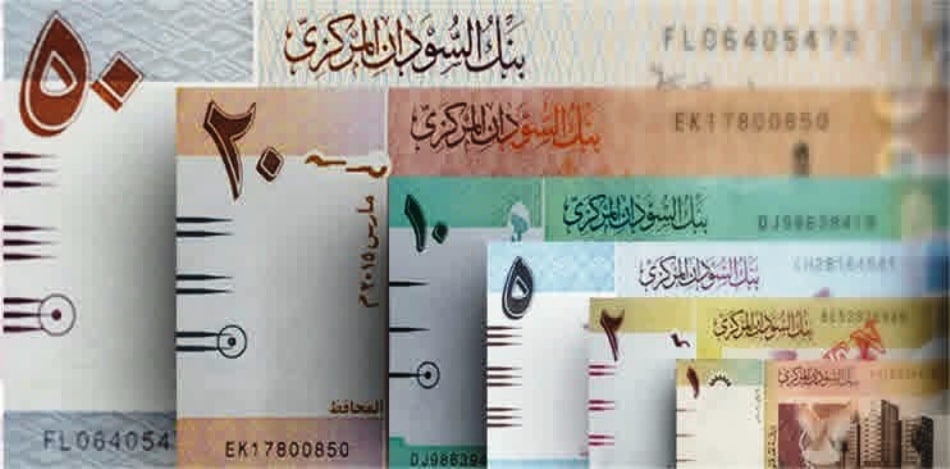
September 2, 2026 (KHARTOUM) – The Sudanese pound plunged to an all-time low of 7,000 to the U.S. dollar on the parallel market on Wednesday, currency dealers said, while a technical failure in mobile banking networks halted everyday transactions.
The currency’s slide has widened the gap with the official rate and driven steep price rises for staples in an economy devastated by more than three years of war between the military and the paramilitary Rapid Support Forces.
Traders cited a sharp rise in dollar demand as businesses and households rushed to hedge against inflation and secure scarce imports. On the street, the UAE dirham fetched 1,900 pounds, the Saudi riyal 1,780 pounds, and the Egyptian pound 140 pounds.
The crash sent the cost of basic goods surging. Merchants reported a 50-kg bag of sugar reached 280,000 pounds, while a 25-kg bag of flour rose to about 90,000 pounds. Key building materials followed, with cement reaching 1.4 million pounds per metric ton and rebar climbing to 6.5 million pounds.
The price increases coincided with widespread failures in digital banking applications, which have largely replaced cash amid a persistent liquidity crisis and the destruction of bank infrastructure.
Commuters were left stranded, while bakeries and filling stations turned away customers unable to pay.
Bank of Khartoum, the country’s largest lender, apologized to customers for service disruptions to its dominant “Bankak” mobile payment app, saying technical teams were working to stabilize the system.
Sudan’s domestic gold prices also touched record highs, tracking the tumbling currency alongside international bullion gains. Raw bullion traded at 850,000 pounds per gram, with crafted jewellery reaching up to 980,000 pounds.
Moatasem Mohamed Saleh, secretary-general of the Gold Exporters Chamber, told Sudan Tribune that local gold prices closely track parallel foreign-exchange swings, compounding the impact of higher global spot rates.