
EU agency says 31,000 Sudanese sought asylum as conflict deepens
October 21, 2026 (BRUSSELS) – About 31,000 Sudanese nationals applied for asylum in European Union countries over the past 17 months, making Sudan the bloc’s fifth-largest source of asylum seekers this year.
The European Union Agency for Asylum said in a report on Wednesday that Greece and France received more than three-quarters of the requests between March 2025 and August 2026.
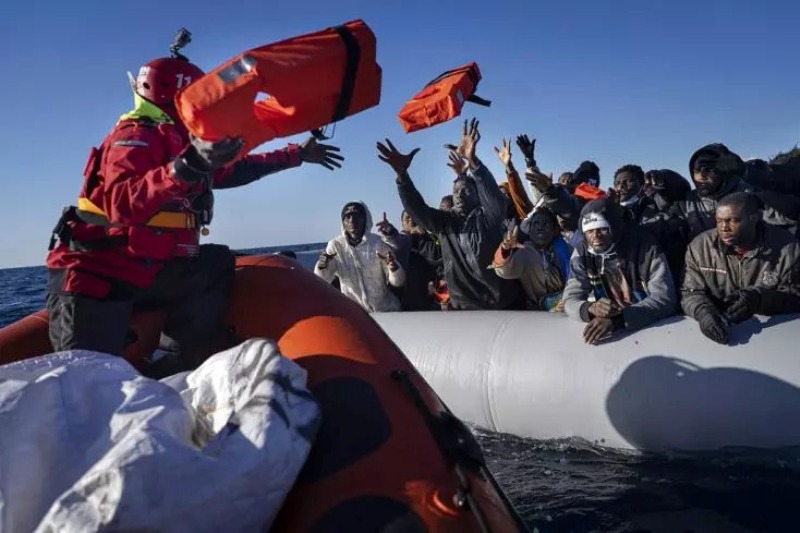
The continuing war in Sudan has driven thousands to take high-risk migration routes across the Mediterranean to reach Europe.
EU and associated countries issued about 20,000 first-instance decisions on Sudanese asylum applications during the reporting period, with an overall recognition rate of 66 per cent.
Greece and France topped the list with 8,000 and 7,900 decisions, respectively.
By early August 2026, more than 11,000 applications by Sudanese citizens were still awaiting a first-instance decision.
The asylum agency said applications began climbing after the war broke out in April 2023 and rose sharply in 2025.
During the first eight months of 2026, Sudanese lodged 15,000 applications, nearly two-thirds more than in the same period in 2025.
The data was released alongside new reports detailing the security and socio-economic impact of the conflict between the Sudanese army and the Rapid Support Forces (RSF).
Civilians continue to face widespread human rights violations, with the number of people at risk of sexual and gender-based violence rising by 350 per cent between 2023 and mid-2025.
The report highlighted severe conditions in besieged areas, noting that El Fasher, the last army stronghold in Darfur, fell to the RSF in October 2025 after an 18-month siege.
A 68-kilometre earth berm had encircled El Fasher, trapping civilians and restricting access to food and medicine.
The RSF takeover of the city was marked by widespread and systematic violence.
A UN independent international fact-finding mission concluded that the RSF committed crimes against humanity, war crimes, and acted with genocidal intent during the capture of El Fasher, particularly targeting non-Arab communities including the Zaghawa.
In North Kordofan, the city of El Obeid faced siege-like conditions for months amid increasing drone use by both sides.
The agency noted that international mediation efforts involving the African Union, IGAD, the United States, Saudi Arabia, Egypt, the United Arab Emirates, and Switzerland have failed to secure a lasting ceasefire.
Disagreements among external actors, the army’s refusal to negotiate with the RSF on an equal footing, and conflicting political interests hindered these efforts.
The humanitarian crisis has also deepened, with an estimated 70 per cent of Sudan’s population living in poverty by April 2026.
As of February 2026, around 29 million people required humanitarian food assistance.
Between 2025 and 2026, approximately 19.5 million people faced acute food insecurity, with several areas affected by famine or the risk of it.
About 17 million people lacked access to safe drinking water, increasing the risks of disease outbreaks and malnutrition.
Delivering aid continues to face significant constraints due to armed attacks, bureaucratic obstacles, road closures, and a lack of funding.