
RSF commander opens training camp in SPLM-N area of Blue Nile
March 1, 2025 (ED DAMAZIN) – The Rapid Support Forces (RSF) has opened a new training camp in areas controlled by a faction of the Sudan People’s Liberation Movement-North (SPLM-N), a Sudanese army source told Sudan Tribune on Saturday.
The SPLM-N, led by Abdelaziz al-Hilu, controls territory in the Blue Nile and South Kordofan states bordering South Sudan. The camp is reportedly in an area under the control of Joseph Tika, al-Hilu’s first deputy.
RSF forces have withdrawn from all cities in Sennar state. They are now concentrated in al-Dali and al-Mazmum, south of the state and bordering the Blue Nile, after the Sudanese army retook the 17th Division headquarters in Sinjah in late November.
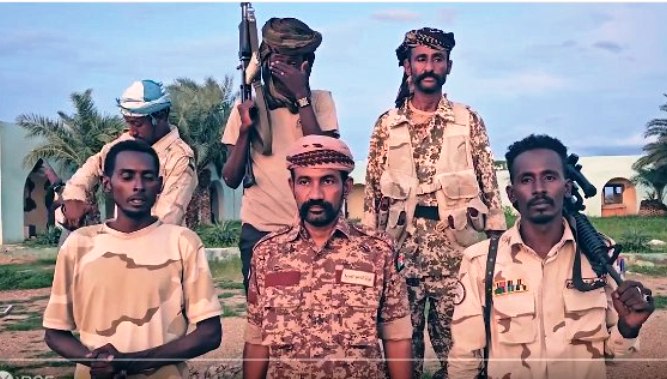
The source, who spoke on condition of anonymity, alleged that the commander, Hamouda al-Bishi, formerly the RSF’s supply commander for the Blue Nile sector, assigned an officer to oversee the camp and supplied it with several armoured vehicles. The move is reportedly aimed at recruiting young men from areas loyal to Tika, signalling a potential military alliance between the RSF and SPLM-N al-Hilu.
Last week, a political alliance between the RSF, the SPLM-N, and several other armed movements and civilian groups was announced in Nairobi. A government is expected to be announced in RSF-controlled areas.
Three groups of al-Bishi’s forces have surrendered to the Sudanese army in Sinja since the military retook control of Sennar state’s cities.
The RSF is active in western and southern Blue Nile, along the border with South Sudan, relying on supplies smuggled by traders. RSF activity is increasing in border areas, benefiting from the SPLM-N’s local networks, the source added.
The alliance between the SPLM-N and the RSF, which faces widespread accusations of human rights abuses, surprised Sudanese and foreign observers. SPLM-N leaders, speaking on condition of anonymity, told Reuters the partnership was a means of confronting Islamist elements within the army. They also cited the need for funding, aid, and weapons.