
Ngok Dinka, Misseriya leaders reject involvement in Sudan’s war
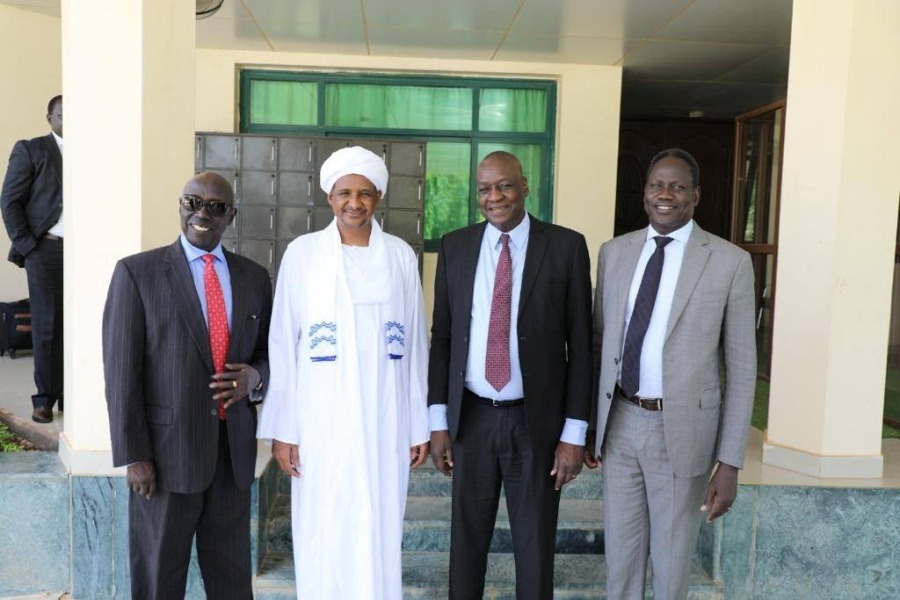
March 12, 2025 (ABYEI)– Traditional authorities in Abyei, a disputed region between Sudan and South Sudan, have rejected pressure to join the ongoing war in Sudan, citing its negative impact on social and economic stability in the area.
“What is currently going on in Sudan is a meaningless war, and as leaders, we do not support any side because war, as you can see here in this Amiet Market, is all but suffering, more tension, and restrictions of movements of goods and services,” said Mohamed Saed, a representative of Misseriya tribal chief Mutar Babo Nimir.
Saed noted that the war in Sudan had displaced people from their homes across numerous towns and strategic areas, including Babanusa, Fula, Muglad, and Meram.
Agal Manyiel Chol, Deputy Paramount Chief of the Nine Ngok chiefdoms, stated that the war in Sudan served neither the interests of the Sudanese people nor the region. He characterized it as a power struggle among traditional elites, driven by a desire for power and resources to consolidate hegemonic control.
“If you examine the causes of the fighting in Sudan and those involved, you conclude it is all about hegemonic power, prestige, and influence over resources. So, must people join a war that does not benefit them?” Chol asked. “We have accepted the Misseriya to come and access water and pasture. Neighbours must learn how to treat themselves well and be helpful to each other during such trying moments.”
The traditional leaders commended Concordis International, a UK-based non-profit organization, for its support of peacebuilding efforts in Abyei. Concordis works with communities in conflict zones to find solutions that address the root causes of conflict and promote lasting peace and economic development.
Stephen Mayuen Mou Akoon, Concordis’s project manager for Abyei, explained that his team works with various groups, including traditional leaders, women, youth, local authorities, community leaders, and civil society, to foster long-term solutions and build trusting relationships.
“We work with everybody to engage for long-term solutions and help them build trusting relationships and leave a legacy that enables future conflict to be managed peacefully within the community,” Akoon said. “We are guided by our inspiring values of humility, impartiality, and inclusivity.”
He highlighted four mechanisms established with Concordis’s support: the Joint Community Peace Committee, the Joint Traditional Court, the Community Protection Committee, and the Joint Protection Committee. These bodies work together to coordinate peace efforts and strengthen the rule of law, including accountability, in Abyei, where a formal judicial system is lacking.