
Sudan halts foreign-funded projects amid debt crisis, conflict
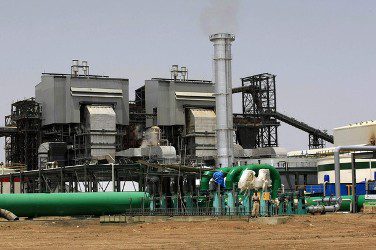
March 19, 2025 (PORT SUDAN) – Sudan has suspended development projects funded by Arab and international lenders, including the World Bank and African Development Bank, due to mounting debt arrears and the ongoing conflict, a finance ministry official said on Wednesday.
The projects, some part of peace deals, were underway in Khartoum and several other states, including West Kordofan, West Darfur, Northern, Gedaref, Kassala, and Red Sea states.
“Most projects financed by loans from Arab funds or the Islamic Development Bank (IsDB) have been halted after funding stopped in 2020 because of accumulated debt arrears,” Mohammed Bashar, undersecretary for planning at the Ministry of Finance, said in a statement received by Sudan Tribune.
Some lenders, including the Arab Fund for Economic and Social Development, the Kuwait Fund, and the IsDB, requested the closure of projects that had been running for over 10 years, significantly exceeding their typical two-to-three-year timeframe, he added.
Bashar said Sudan agreed to the closures to avoid accruing further interest on outstanding amounts and because of uncertainty surrounding addressing arrears and resuming funding flows amid the conflict.
Residents in eastern Sudan have complained that road construction projects, part of a peace agreement and nearing completion, have also been stopped.
Sudan’s external debt reached $66.8 billion at the end of 2023, according to a central bank report. The principal makes up $33 billion, with the rest being arrears and contractual interest.
The total external debt is 253.36% of gross domestic product (GDP) and 1,841.06% [of exports]. Globally, a country’s ability to service external debt is generally considered sustainable if it does not exceed 30% of GDP and 100% of exports.
Bashar said the government had also shut down projects funded by grants from the World Bank and the International Development Association (IDA) at their request.
However, the finance ministry has secured new grants for health, education, and food security to be implemented through third parties, likely U.N. agencies, rather than government bodies, he added.
On Oct. 20, the World Bank approved $435 million in new grants for projects in health, water, education, and agricultural production to be implemented via U.N. agencies.