
Scale of Sudan’s missing ‘tip of the iceberg’, ICRC says
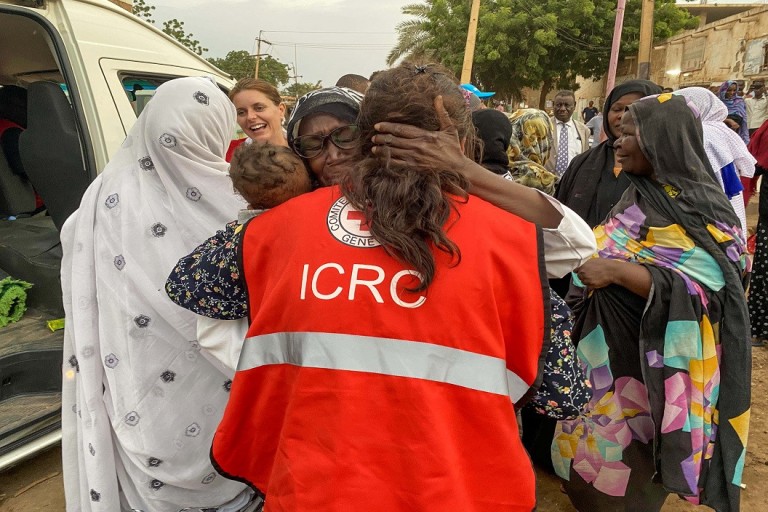
April 17, 2025 (KHARTOUM) – The International Committee of the Red Cross (ICRC) helped reconnect separated Sudanese families by facilitating over 45,000 phone calls last year, its Sudan spokesperson said Thursday.
Statistics on missing persons vary. The Sudanese Group for Defending Rights and Freedoms said it had documented the disappearance of 50,000 people since the conflict began two years ago. At the same time, the ICRC registered 8,000 missing persons cases in 2024.
“In 2024, the ICRC conducted more than 45,000 phone calls between families who lost contact with their members inside Sudan,” spokesperson Adnan Hizam told Sudan Tribune in an interview.
He added that the number of people searching for their missing relatives increased by 66% compared to 2023, reflecting the worsening humanitarian crisis facing civilians.
The ICRC received about 7,700 requests from families to search for missing individuals, Hizam noted.
The Rapid Support Forces (RSF) have detained thousands of people; some were released after ransoms were paid, while others reportedly died from starvation or lack of healthcare in detention centres. The fate of the majority remains unknown.
After recapturing areas in Gezira and Khartoum states, the Sudanese Army (SAF) freed about 5,000 military personnel and civilians from RSF detention facilities. The RSF reportedly moved some detainees to Darfur as the army advanced in the capital during the first quarter of this year.
Daniel O’Malley, the head of the ICRC mission in Sudan, said in an interview with Agence France-Presse (AFP), published Wednesday, that the committee had been notified of 8,000 missing persons cases. He described this figure as representing only “the tip of the iceberg.”
The ICRC continues efforts to trace the missing and enhance forensic capabilities to identify victims and ensure dignified burials after potentially years of uncertainty.
Joint teams, including Civil Defence, Public Prosecution, and forensic experts, are collecting bodies from streets and alleys in areas recaptured by the army in Khartoum state, as well as recovering remains from sewage wells and mass graves.