
Fuel crisis paralyses Omdurman after depot strikes
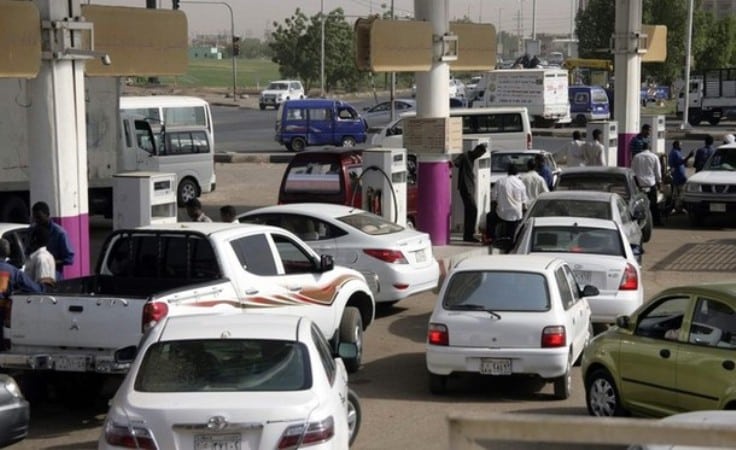
May 16, 2025 ( OMDURMAN) – The city of Omdurman is suffering a severe fuel crisis with vehicles queuing for hours at service stations, some of which have partially closed.
The shortage follows drone attacks by the Rapid Support Forces (RSF) targeting major fuel depots in Port Sudan earlier in May. This occurred despite previous assurances from the Ministry of Oil that fuel supplies were normal.
The fuel depots in Port Sudan, the temporary administrative capital, were hit by repeated RSF drone shelling during the first week of May.
A reporter for Sudan Tribune observed long queues of cars at fuel stations in Omdurman, while other stations had closed or were operating intermittently.
“We are forced to wait for long hours,” a public transport driver told Sudan Tribune. “Today, Friday, I arrived at the station at eight in the morning and could not refuel until after Friday prayer, meaning after midday.”
Another driver said they often buy fuel on the black market at a price more than double the official rate to continue their daily work. A gallon of fuel (gasoline and diesel) on the black market costs between 25,000 and 30,000 Sudanese pounds, compared with the official price range of 9,000 to 13,000 pounds at stations.
The Ministry of Oil said in a previous statement that drone attacks had targeted depots belonging to “Oil Energy” and “Nile Petroleum Limited” companies in Port Sudan. It said the attacks caused fires that spread to an area dense with fuel tanks, and extinguishing operations took several days.
Three public transport drivers told Sudan Tribune that members of the army and the “Mustanfireen” (popular support forces) are actively selling fuel on the black market.
A rickshaw driver said he preferred buying from the black market to save time and avoid long queues. “We have become embarrassed before the citizens because we are forced to increase transport fares, which sometimes reach double their real value,” he added.
Citizen Mona told Sudan Tribune she was dissatisfied with the doubling of transport costs. She noted that her ability to travel had become very limited despite her job requiring her to reach clients at different locations. “I now spend more than a third of my income on transportation,” she added.