
Desperate Sudanese refugees overwhelm Chad borders, MSF urges urgent aid
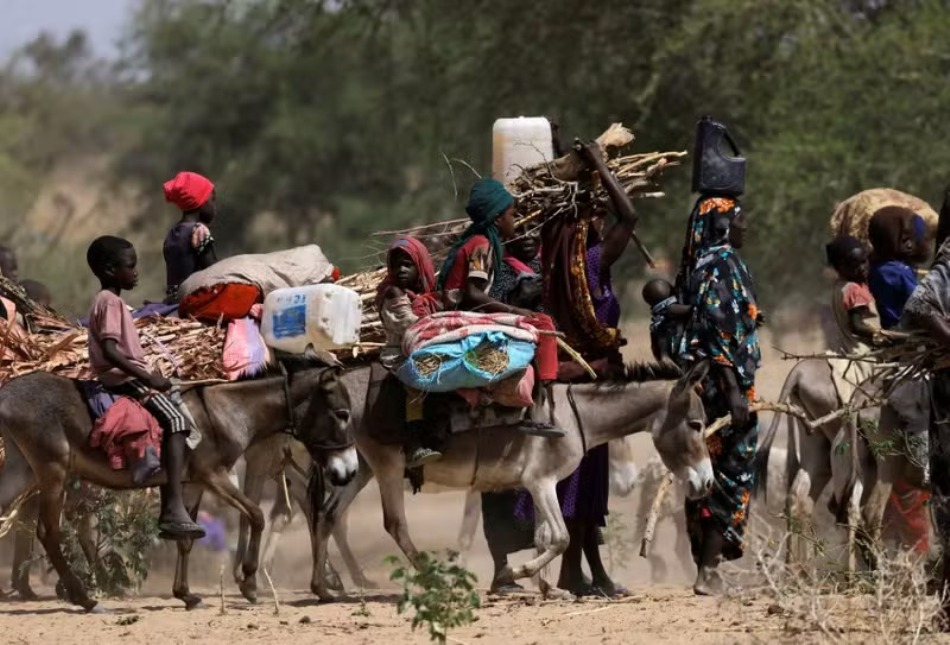
June 2, 2025 (N’DJAMENA, Chad) – Tens of thousands of Sudanese refugees fleeing escalating violence in North Darfur have arrived in eastern Chad since April, overwhelming aid efforts and facing critical shortages of food, water and shelter, Doctors Without Borders (MSF) warned on Monday.
An estimated 70,000 new refugees have crossed into Chad since April 2025, bringing the total number of Sudanese seeking refuge in the country to more than 800,000 since conflict began over two years ago. Chad already hosts over one million refugees in total.
The overwhelming majority of new arrivals are women and children coming from El Fasher and the Zamzam displacement camp in North Darfur, where the Rapid Support Forces (RSF) have laid siege to areas, leading to famine conditions. Many arrive suffering from dehydration, malnutrition and profound psychological distress.
“We’ve walked a long way to get here,” said one refugee woman, who asked not to be named. “We passed through several villages to get to Tine to take refuge from the violence and bombings. We’ve been here for several days but we’re struggling to find food and water. We’ve been wearing the same clothes for days.”
The Chadian town of Tine alone has received an estimated 40,000 Sudanese refugees. Tine transit camp is currently hosting over 18,000 people, many sleeping on the bare ground in 40 degrees Celsius (104 Fahrenheit) heat, with severely limited access to water and food despite support from local communities.
MSF has scaled up its medical and humanitarian activities in the transit camp and at the Tine border, providing primary healthcare services, nutritional screenings and vaccinations. In recent weeks, the health post at the transit camp has conducted over 900 consultations per week. Data shows the global acute malnutrition rate among children under five is 29 per cent, including 9 per cent who are severely malnourished.
The medical charity is also providing care for pregnant women and survivors of sexual violence, and has set up referrals for critical patients to hospitals. With cases of measles detected, MSF is carrying out a mass vaccination campaign.
To improve sanitation, MSF is preparing to build an additional 50 emergency latrines and distribute more therapeutic food and essential items. It is also distributing 60,000 litres of water per day, but this meets only half of the current need.
“Sudanese refugees arrive exhausted, and many are malnourished and require immediate assistance,” said Claire San Filippo, MSF’s emergency coordinator for Sudan. “We ask donors, the UN, and other humanitarian organizations to increase the mobilization to provide or scale up support in terms of food, shelter, sanitation, and medical care including mental health services.”
San Filippo warned that the current humanitarian response is insufficient, and the upcoming rainy season is likely to worsen living conditions, spread disease, and exacerbate food insecurity and a lack of sanitation.
Despite the immense needs in Tine transit camp and other refugee camps in Wadi Fira, MSF said it was witnessing very limited aid distribution, highlighting a broader humanitarian funding crisis affecting the entire sector in eastern Chad.
MSF is also present in refugee camps in Wadi Fira, such as Iridimi camp, where refugees from Tine are being relocated. To address the dire situation in Iridimi, which has reached its maximum capacity, MSF recently began supporting the Iridimi health center, focusing on primary healthcare, vaccination, epidemiological surveillance, patient flow, referral systems and hygiene conditions. MSF also runs mobile clinics along the Sudanese borders in Chad, including in Kulbus and Birak.