
Sudan peace signatories clash over power-sharing as new government forms
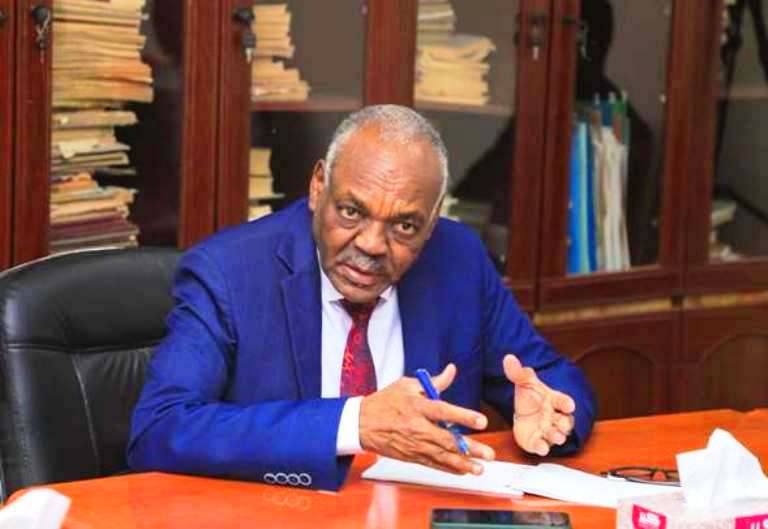
June 27, 2025 (PORT SUDAN) – A public dispute has erupted between signatories of Sudan’s Juba Peace Agreement over how to divide a 25% share of government posts, complicating efforts by the new prime minister to form a cabinet.
The row comes amid disagreements between leaders of army-allied movements and the team of new Prime Minister Kamil Idris. According to local media reports, several movement leaders are demanding to keep their current ministerial posts in the new government.
The dispute centres on whether the 25% quota, a cornerstone of the 2020 peace deal, is reserved for original signatories or is open to all factions who later joined the pact.
Mohamed Bashir Abunommo, a lead negotiator for the Sudan Liberation Movement-Minni Minawi, a key Darfur-based signatory, argued that the quota was exclusively for the original armed groups.
“The Juba agreement was built on… a partnership with real forces that paid a heavy price,” Abunommo wrote on Facebook, stating that factions who joined later, including those from the Northern and Central tracks, were not entitled to a share of the federal posts. He accused some of these later signatories of having allied with the paramilitary Rapid Support Forces (RSF) in its war against the army.
In a rebuttal, Mohamed Sayed Ahmed al-Jakomi, head of the Northern Track, accused Abunommo of “distorting the facts.”
Al-Jakomi asserted that all parties to the agreement were equal. He wrote on Facebook that after the deal was signed, army chief Abdel Fattah al-Burhan and another top general, Shams al-Din Kabbashi, had personally affirmed that the 25% share would include all groups.
“We have a just cause, which is the demand to implement the Juba Peace as it was signed, letter for letter,” al-Jakomi said.
The Juba Peace Agreement was signed in 2020 by the government and multiple rebel factions to end years of conflict. Its implementation has been patchy and was further complicated by the full-scale civil war that broke out between the army and the RSF in April 2023.