
RSF destroyed $1 mln water lab in Khartoum, official says
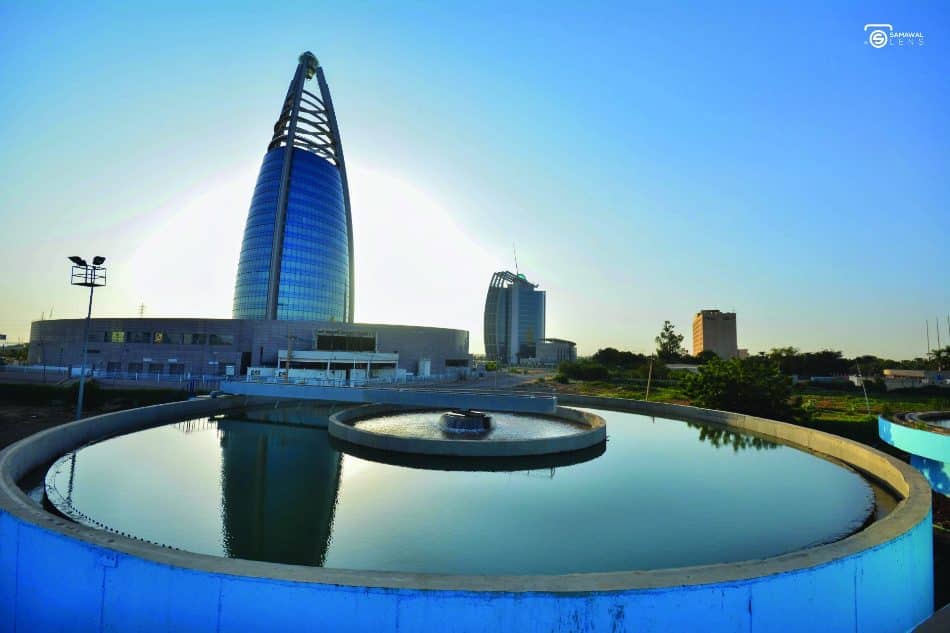
July 23, 2025 (KHARTOUM) – Sudan’s Rapid Support Forces (RSF) have destroyed the main water analysis laboratory for Khartoum state, a facility worth around $1 million, the head of the state’s water authority said in an interview with the Sudan Tribune on Wednesday.
Mohamed Ali al-Ajab, director general of the Khartoum State Water Corporation, told the Sudan Tribune news outlet that the RSF had wrecked the al-Mugran laboratory, the largest in the state, which analyzed water from the Nile River and wells for both public and private clients.
“The authority has lost approximately 454 vehicles, whether they were cars, mobile tankers, cranes, or excavators,” Ajab said, noting that a recent report confirmed only 54 vehicles remain, of which 44 were described as “dilapidated.”
He announced that the International Committee of the Red Cross (ICRC) had delivered new spare parts for the water authority valued at $77,000, with another $223,000 worth expected to arrive.
All of the state’s water stations ceased operations during the war except for one, al-Manara, Ajab said.
Six of the 12 main stations have now partially or fully returned to service, he reported. Service has been restored at the Beit al-Mal, al-Tanaquiyya, al-Shajara, and al-Juraif plants, though the Soba station is running only partially due to power shortages.
The Jabal Awliya station is also operational but faces issues with its distribution lines, while the critical Khartoum North (Bahri) station has only partially resumed service.
Ajab highlighted the immense challenge of assessing damage to the underground pipe network.
“The public network is hidden, and until water is pumped, we cannot know its integrity,” he said. “After we began pumping from the al-Mugran station, 18 major fractures appeared on the main lines… these require excavators and equipment that the authority lost in the war.”
The damage was particularly severe at the Khartoum North (Bahri) station, which has a capacity of 300,000 cubic meters per day. Ajab said its electrical system was devastated, with losses including 17,360 meters (10.8 miles) of cables, 61 operating panels, nine high-capacity transformers, and three pumps that were thrown into the Nile River.
New spare parts are being sourced to bring the crucial station back to full service, he added.