
US senior advisor welcomes first aid delivery to besieged El Fasher
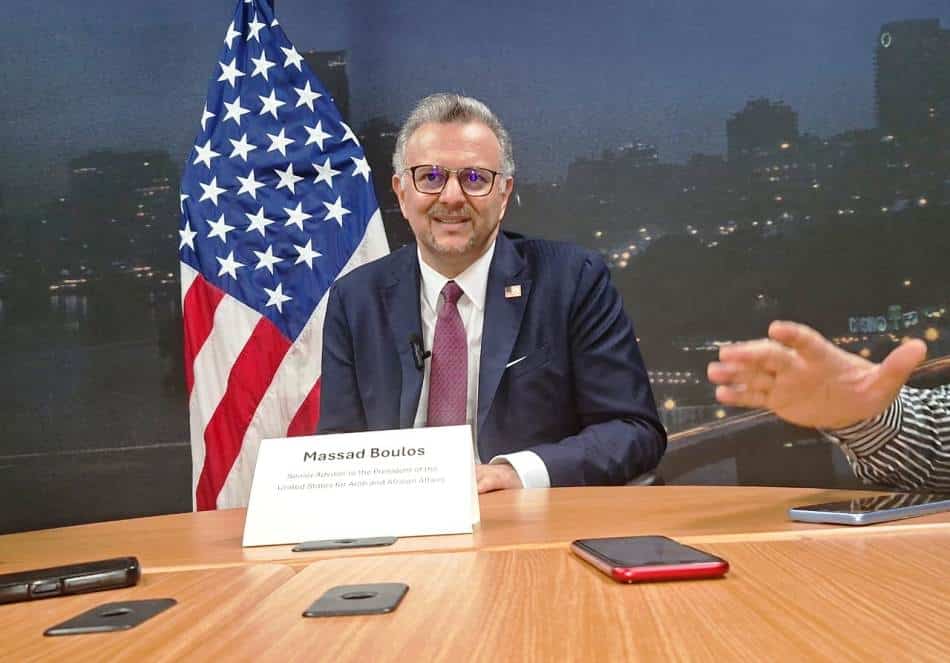
January 14, 2026 (KHARTOUM) – The United States on Wednesday announced the first successful delivery of humanitarian aid to the besieged city of El Fasher in 18 months, marking a critical breakthrough for a population that has endured months of starvation and violence.
Massad Boulos, the U.S. Senior Advisor for Arab and African Affairs, confirmed that more than 1.3 metric tons of food, water purification supplies, and basic health kits arrived in the North Darfur capital. He noted that the achievement followed months of U.S.-facilitated negotiations and a United Nations assessment mission conducted in late December.
The security and humanitarian situation in El Fasher reached a historic nadir following the city’s capture by the Rapid Support Forces (RSF) on October 26, 2025.
After a brutal 18-month siege, the RSF overran the Sudanese Armed Forces (SAF) 6th Infantry Division, the army’s final stronghold in the Darfur region. The fall of the city triggered reports of widespread atrocities, including summary executions, house-to-house raids, and mass killings.
The fall of the city also exacerbated an existing famine, which had been formally confirmed by the Integrated Food Security Phase Classification (IPC) in late 2025. With humanitarian access blocked and commercial supply routes cut, global acute malnutrition rates in parts of North Darfur have surged as high as 57 per cent.
Since the RSF takeover, tens of thousands of residents have fled on foot to areas such as Tawila, joining hundreds of thousands of previously displaced people in camps that lack basic sanitation and food.
In his statement, Boulos emphasized that it is critical for this assistance to flow unhindered, not only to El Fasher where the situation remains dire, but throughout all of Sudan.
He stated that the U.S. remains committed to pressuring the warring parties to reach a nationwide humanitarian truce and will continue to support mechanisms for aid delivery to areas affected by famine and conflict-driven displacement.
The United States also called upon the international community to increase contributions to support UN OCHA and other humanitarian partners in Sudan, as the country continues to face one of the world’s most severe protection and hunger crises.