
Yale lab warns of imminent RSF siege on Sudan’s El Obeid
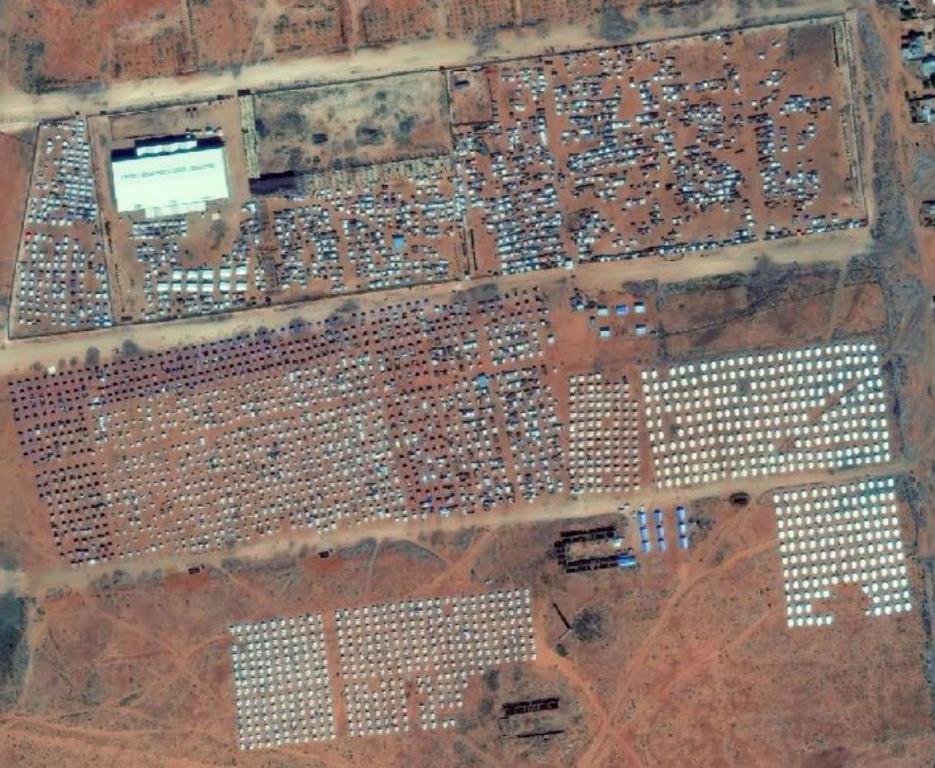
January 18, 2026 (EL OBEID) – The Yale School of Public Health’s Humanitarian Research Lab (HRL) warned on Sunday of an imminent siege by the Rapid Support Forces (RSF) on the city of El Obeid, as satellite imagery revealed significant defensive preparations and a mounting humanitarian crisis.
While El Obeid faces a renewed threat of blockade, researchers reported that the cities of Kadugli and Dilling in the Nuba Mountains of South Kordofan are already under siege by an alliance between the RSF and the Sudan People’s Liberation Movement-North led by Abdelaziz al-Hilu.
Analysts at the lab identified newly created earthen walls, or berms, along key exit points from the city and around critical infrastructure. This military activity is consistent with forces engaged in preparations for siege warfare, although the lab withheld specific locations due to human security risks.
The report highlighted a trend likely to shape this phase of the conflict, characterized by an emphasis on aerial bombardment and the use of unmanned aerial vehicles (UAVs) targeting civilian areas and vital facilities.
Satellite imagery captured between January 2 and 14 corroborated damage to El Obeid’s power generation station consistent with bombardment. Open-source reports indicated that RSF drones struck the facility in the early hours of January 4, resulting in a shutdown of the electrical grid.
The human toll has escalated in eastern El Obeid, where imagery from the same period confirmed damage to multiple buildings in the Al-Jallabiya neighbourhood. These findings align with local reports of RSF drone strikes on January 6 that allegedly killed at least 10 people, including eight members of a single family.
The conflict has also triggered a surge in displacement. Researchers identified an increase of nearly 800 temporary structures at an internal displacement (IDP) camp in north-central El Obeid during the first half of January. These shelters included small blue tents, larger white tents, and white-toned tents with dark roof markings.
Ground photographs have shown that many of these tents bear the insignia of Saudi Arabia’s King Salman Humanitarian Aid and Relief Centre. El Obeid remains a primary transit point for those fleeing violence further south, particularly as more people escape attacks in Dilling and Kadugli.
Evidence of the rising death toll was visible at local cemeteries. Satellite imagery at the Zindi Cemetery showed approximately 60 new burial mounds and ongoing burial activity. At the Daleel Cemetery, analysts identified roughly 40 new burial mounds and observed people gathered around excavated holes in images from both January 2 and 14.
The Kordofan region remains highly contested, with El Obeid currently under the control of the Sudan Armed Forces (SAF) but increasingly isolated by RSF positioning.