
Sudanese doctors’ group revives Khartoum hospital as 90% of private facilities damaged
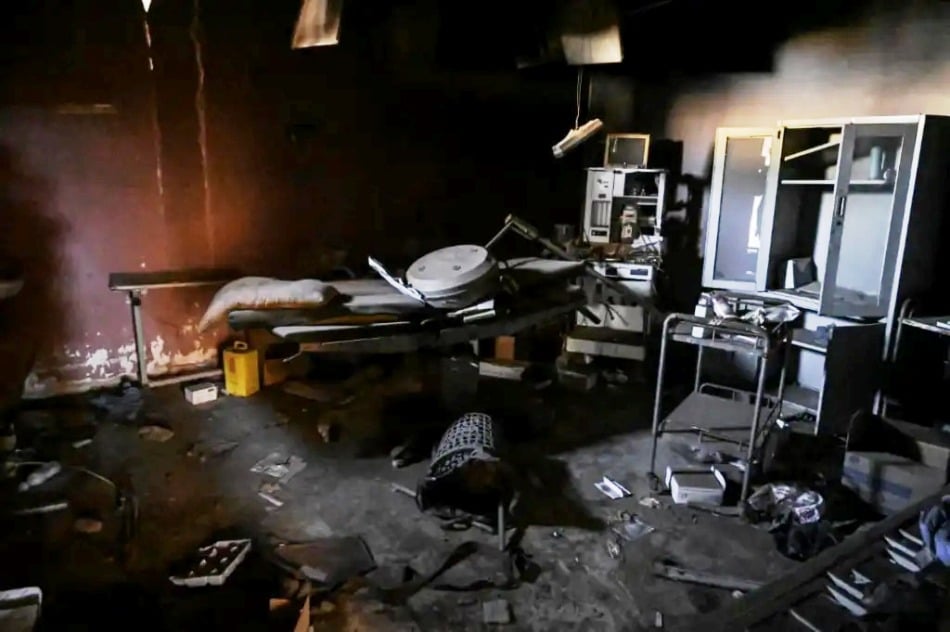
January 21, 2026 (KHARTOUM) – The Sudanese American Physicians Association (SAPA) has begun rehabilitating Ibrahim Malik Hospital in Khartoum, aiming to restore services for up to 40,000 patients a month as the country’s healthcare system struggles.
The project seeks to revive a facility that has provided free medical care for impoverished families. Since Dr Shaker took leadership of the hospital in April 2021, the facility has maintained free treatment despite fee increases across the public health sector that pushed up costs for some tests by as much as 5,000%.
The Sudanese Ministry of Health reported on January 12 that approximately 90% of private hospitals in Khartoum State, 73 out of 80 facilities, have been damaged since the conflict began. In addition to hospital infrastructure, the ministry said 2,300 pharmacies and 450 medical supply companies have been forced out of service, effectively dismantling the medical supply chain in the capital.
SAPA is currently focusing on the first phase of the project, which involves the total rehabilitation of the hospital’s emergency centre. This work includes repairing damaged infrastructure, ensuring equipment readiness, and coordinating clinical workflows with local medical staff to stabilize patients in critical condition.
Data from the Sudan Doctors Network indicates that, out of 120 hospitals and 288 health centres impacted by fighting between the Sudanese army and the Rapid Support Forces (RSF), only about 40 hospitals have resumed partial services as of early January. The network said key referral centres, including the National Public Health Laboratory, sustained heavy damage that continues to disrupt diagnostic services.
Years of conflict and instability have left many urban hospitals in Sudan damaged or understaffed, making the restoration of emergency services a priority for aid groups. SAPA expects this initial phase to be completed within the next two to three months.
Once the emergency department is operational, the association plans to move into a second phase focused on paediatrics and obstetrics departments. These services are vital for addressing maternal and newborn mortality rates, which have risen as preventable complications go untreated due to the collapse of standard medical services.
The World Health Organization (WHO) verified on Jan. 15 that 201 attacks on healthcare facilities have occurred nationwide, resulting in at least 1,858 deaths. WHO officials warned that 37% of health facilities across Sudan are now not functioning, leaving millions without access to life-saving care as disease outbreaks and malnutrition rates climb.
SAPA said the goal of reaching 40,000 patients monthly depends on successful expansion into these specialized departments. SAPA officials warned that while they have the technical expertise and local partnerships in place, the scale of the crisis requires sustained financial support to complete the rehabilitation.
A funding appeal has been issued to ensure the project proceeds without delay. Without continued resources, thousands of families in Khartoum may remain without access to affordable or reliable medical care as the humanitarian situation in the capital remains dire.