
U.N. warns of rapidly deteriorating humanitarian situation in Sudan’s South Kordofan
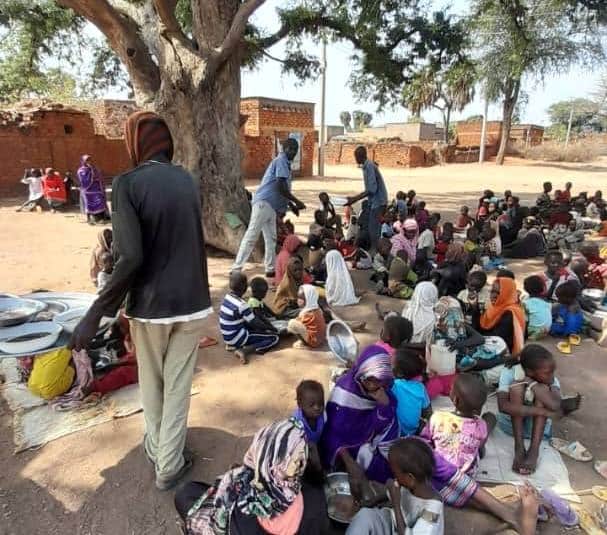
January 31, 2026 (UNITED NATIONS) – The United Nations warned on Friday that escalating violence and near-total service collapse are trapping civilians in crossfire and rapidly worsening the humanitarian situation in Sudan’s South Kordofan State.
Farhan Haq, deputy spokesperson for U.N. Secretary-General Antonio Guterres, said the security situation in Dilling has deteriorated significantly this week. The city has faced intense artillery shelling and drone strikes across multiple neighbourhoods.
While local sources indicate dozens of civilians have been killed, persistent telecommunications disruptions have made it impossible to verify exact casualty figures, he said.
The U.N. Office for the Coordination of Humanitarian Affairs (OCHA) estimates nearly half of Dilling’s population, approximately 117,000 people, has been displaced. Those remaining are cut off from aid and face severe food shortage,s while most health facilities have exhausted medical supplies.
The crisis extends to the state capital, Kadugli, where the U.N. believes more than 80 per cent of the population — about 147,000 people — has fled to other parts of the region or across borders.
In the locality of Abu Jubaiha, OCHA teams reported that between 250 and 300 people arrive daily from Dilling and Kadugli, with many reporting weeks of travel and deaths occurring along the route.
Across the broader Kordofan region, more than 88,000 people have been newly displaced since late October. Despite the surging need, an interagency aid convoy carrying vital supplies for Dilling and Kadugli remains stuck in El Obeid, North Kordofan, unable to move due to the volatile security environment.
The U.N. also highlighted a worsening situation in North Darfur, where the International Organization for Migration (IOM) estimates that more than 127,000 people were displaced from the state capital, El Fasher, between late October and mid-January.
Citing the sharp rise in needs across the country, OCHA called on international donors to bridge a massive funding gap. The 2026 humanitarian response plan for Sudan requires $2.9 billion to reach more than 20 million people in need of urgent assistance.