
Bank of Khartoum deductions spark ‘looting’ claims from customers
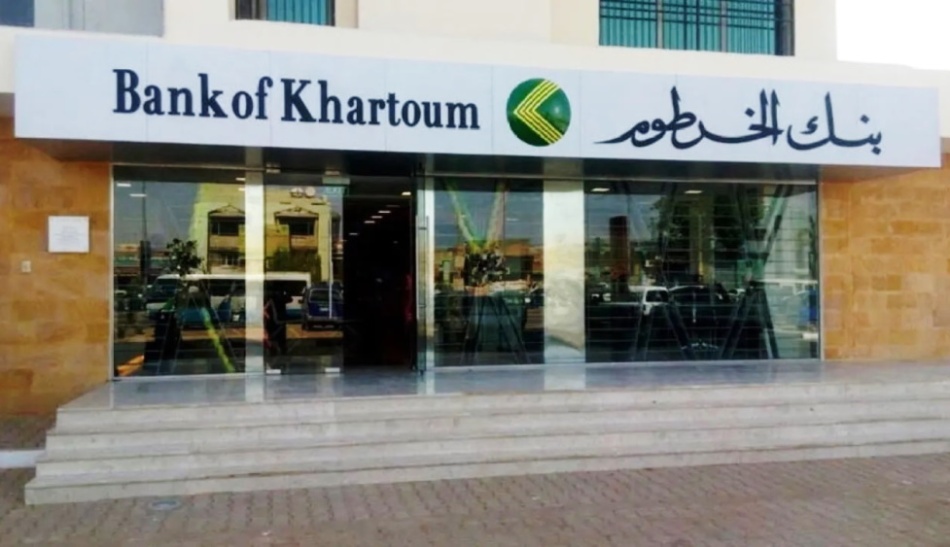
February 2, 2026 (KHARTOUM) – Ongoing deductions by the Bank of Khartoum from its customers’ accounts have sparked widespread controversy, with many clients describing the move as “explicit looting” after it was implemented without prior authorization.
The bank deducts funds from balances twice a year as fees for the Deposit Insurance Fund, a regulatory mechanism that protects depositors’ funds in the event of a bank failure or bankruptcy.
When Ahmed Salah checked his Bank of Khartoum account balance last week, he expected to see his savings exactly as he had left them. Instead, he found a deduction he never authorized, sparking a frustration now shared by thousands of depositors across Sudan.
“What is happening is an unacceptable act that violates the simplest rules of banking,” Salah told Sudan Tribune. He is among a growing number of critics who describe the bank’s latest move as “explicit looting,” after funds were pulled from private accounts without prior notification or consent.
The controversy stems from the bank’s decision to collect fees for the Deposit Insurance Fund directly from its customers. While the fund is a standard regulatory mechanism designed to protect depositors if a bank fails or goes bankrupt, the Bank of Khartoum’s practice of requiring customers to pay twice a year has triggered a fierce debate over transparency and banking ethics.
Since the deductions began on January 29, the amounts taken have varied depending on the deposit amount. For many, the lack of warning was the primary grievance. Abdullah Khairallah, another customer, characterized the move as an “unjustified encroachment” on personal balances and called for an immediate apology and refund, accusing the lender of a lack of transparency.
The bank has attempted to clarify its position by sending messages to account holders stating that the deductions are a mandatory annual contribution for all types of investment accounts. However, the explanation has done little to quiet the outcry, especially as the move appears to target those both inside the country and abroad.
Al-Tayeb Abdel Rahman noted that Sudanese expatriates have been particularly affected. Many use these accounts to hold funds for relatives living in volatile areas of Sudan, viewing the bank as a safe haven from the literal looting that has plagued the country. Seeing the bank itself remove funds without permission has shaken that hard-won trust.
Banking sources suggest the issue may be one of regulation. They told the Sudan Tribune that the Bank of Khartoum appears to be the only institution currently implementing these specific deductions, raising questions about whether the fees are on an official list approved by the Central Bank of Sudan. The sources expressed concern that the bank is exerting undue dominance over the sector and is acting without sufficient oversight.
The legal and ethical implications are significant. Banking analyst Walid Daleel emphasized that the Central Bank’s role in setting fees is essential for protecting consumers from arbitrary costs and ensuring that digital banking remains an attractive option for the public.
Dr Yasir Musa Barir, an academic at the University of Khartoum’s School of Management Sciences, argued in a recent article that while insurance is necessary, the cost should typically be borne by the institution as a cost of doing business.
“Deductions should not be made directly from customer accounts, especially savings accounts, unless there is an explicit and announced legal provision,” Barir wrote. He warned that forcing customers to fund their own insurance without transparency shifts the risk from the bank to the depositor, undermining the very protection the fund was designed to offer.
As the debate continues, the focus shifts to whether the special law governing the Deposit Insurance Fund intended for such costs to be passed directly to small depositors, many of whom use these accounts simply to preserve what little they have.