
EU official warns of catastrophic Sudan crisis as millions face starvation
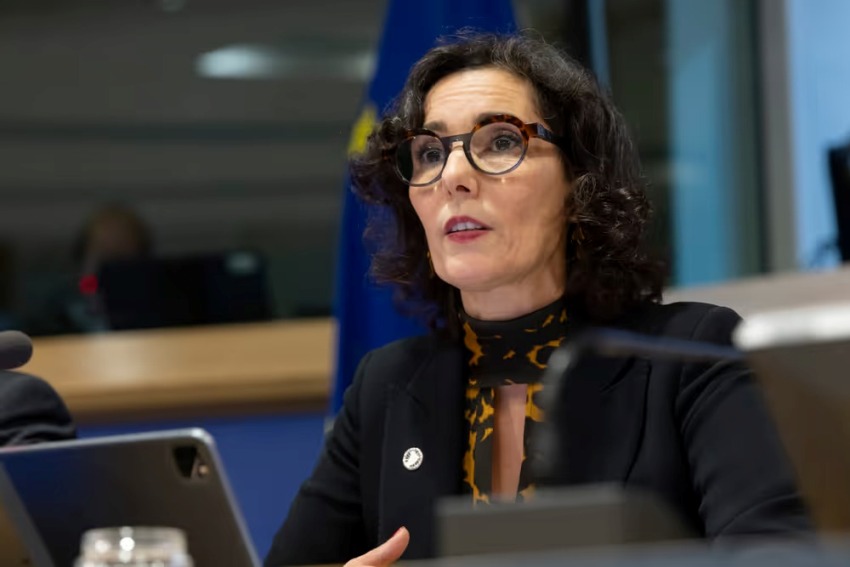
February 11, 2026 (STRASBOURG) – The European Union’s humanitarian chief warned on Tuesday that Sudan’s conflict has reached a “beyond catastrophic” level, with more than 33 million people requiring aid as the war surpasses 1,000 days.
Addressing the European Parliament, Commissioner Janez Lenarčič, represented by Commissioner Hadja Lahbib, described the situation as a “brutal power struggle for resources sustained by armed actors who show no mercy for civilian life”.
The Commissioner highlighted recent atrocities in Darfur, specifically citing “horrendous attacks” by the Rapid Support Forces (RSF) during their capture of El Fasher late last year.
The violence has turned the town of Tawila into the world’s largest internal displacement camp, now hosting over 700,000 people.
Despite the scale of the crisis, Lahbib noted that “only an estimated 15%-30% of needs are currently being met” in the camp.
“Humanitarian space continues to shrink in Sudan, which is one of the deadliest places in the world for aid workers,” Lahbib said, pointing to bureaucratic barriers used to block assistance.
The EU official also criticized regional powers for fuelling a “proxy war” while publicly calling for peace, urging international mediators to exert more concrete influence over the warring factions.
The EU has allocated nearly 700 million euros for the crisis between 2023 and 2025, using air bridges and sea freight to deliver relief.
A high-level conference on Sudan is scheduled for April 15, 2026, in collaboration with Germany.
Lahbib stated that the warring parties may only be invited to the summit “in return for clear steps for peace”.
Would you like me to draft an accompanying background section on the specific “bureaucratic barriers” mentioned in the speech?