
African Union remains divided on lifting Sudan’s suspension, Egypt says
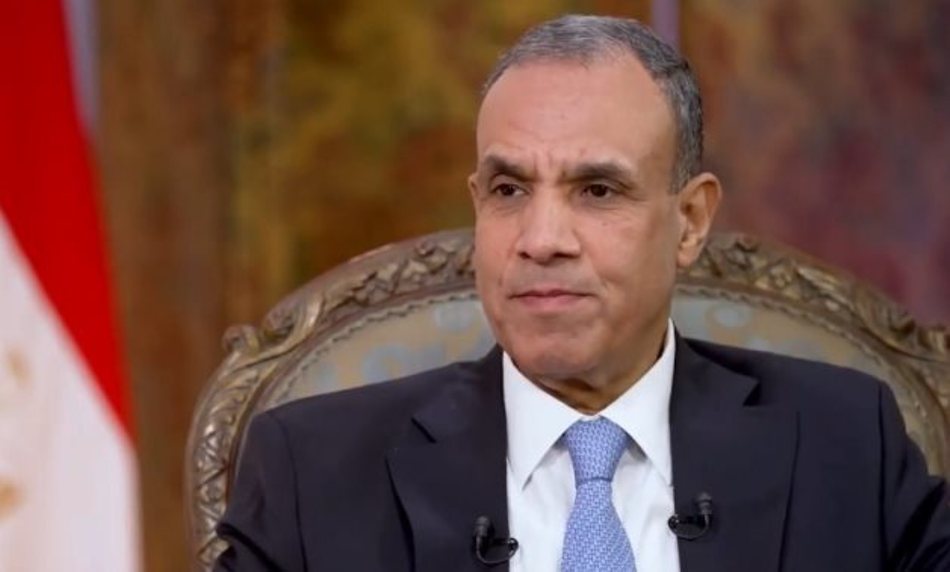
February 12, 2026 (ADDIS ABABA) – Egyptian Foreign Minister Badr Abdelatty acknowledged on Thursday that members of the African Union (AU) Peace and Security Council have yet to reach a consensus on lifting the suspension of Sudan’s membership.
Despite the lack of agreement, Abdelatty reaffirmed Cairo’s strong push to end the freeze and engage with Sudan’s current governing institutions. Sudan has been barred from the continental body since October 2021, following a military coup that ousted the government of former Prime Minister Abdalla Hamdok.
Under AU regulations, membership is automatically suspended for states undergoing unconstitutional changes of government.
Egypt, which holds the council’s rotating presidency this month, is seeking international recognition for the government of Kamil Idris, who was appointed by Sovereign Council Chairman Abdel Fattah al-Burhan last May.
“We must exercise wisdom and pragmatism by interacting with the Sudanese government led by the Sovereign Council and the government of Kamil Idris,” Abdelatty told reporters at AU headquarters in Addis Ababa, calling the continued exclusion of a founding member “unacceptable.”
Egypt has invited the Sudanese foreign minister to participate in an informal session to present Khartoum’s vision. Abdelatty also revealed that arrangements are underway for a council delegation to visit Sudan to bolster the legitimacy of the Transitional Sovereign Council.
The minister admitted that while specific proposals to end the suspension are being “seriously studied,” a unanimous decision remains elusive.
Addressing the ongoing conflict between the Sudanese army and the paramilitary Rapid Support Forces (RSF), Abdelatty said any humanitarian truce must establish safe havens for civilians. He cited reports of killings and sexual violence in the city of El Fasher at the hands of the RSF.
He stressed that a future political process must be inclusive and free from foreign interference, adding that “mercenaries or institutions outside the national state” have no role in Sudan’s future.