
A celebration in shadows: International Women’s Day highlights Sudan’s humanitarian abyss
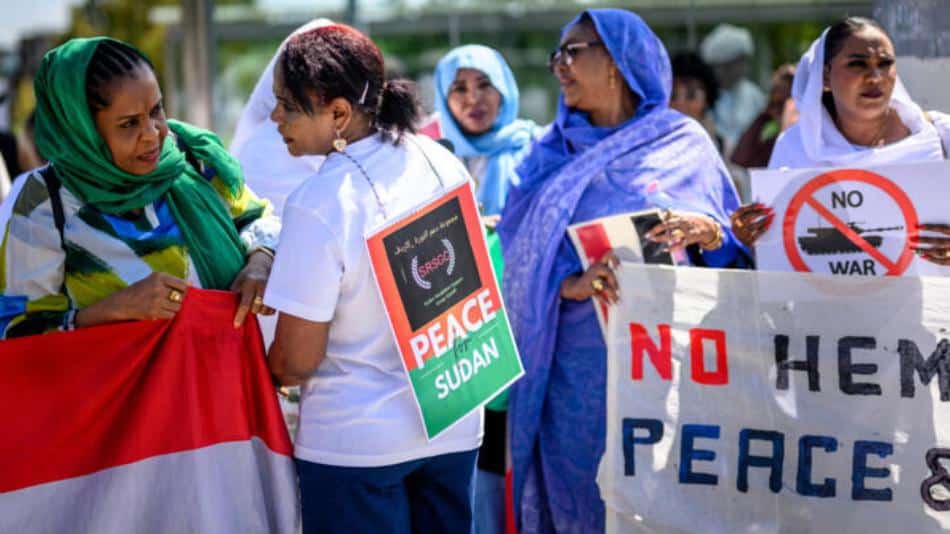
March 8, 2026 (KHARTOUM) – On a day the world pauses to celebrate the social and political achievements of women, the reality for those in Sudan is a stark, harrowing contrast of survival and systematic targeting. Since the civil war erupted on April 15, 2023, the nation’s women and girls have been thrust onto a front line where bodies are used as battlefields and sexual violence is deployed as a weapon of war.
As the conflict moves through 2026, the human cost has reached a tipping point. Thousands of women have been subjected to grave violations, including mass rape, abduction, torture, and modern-day enslavement. The trauma is no longer just a physical scar; it has become a deep psychological fissure threatening the social fabric of Sudan’s communities. Amidst mass displacement and the near-total collapse of essential services, the risks are compounded by a lack of food, clean water, and the constant threat of further violence.
A surge in documented atrocities
The fall of El Fasher, the capital of North Darfur, marked a grim milestone in the escalation of these crimes. According to Selima Ishaq, State Minister at the Ministry of Social Welfare and Human Resources, documented rape cases involving women stood at 1,844 before the city fell. Following its capture, that number surged to over 2,500. Officials warn that these figures are likely a fraction of the reality, as the absence of health services and the difficulty of accessing conflict zones like Bara and Kordofan make comprehensive documentation nearly impossible.
Ishaq told Sudan Tribune that while approximately 2,200 survivors have managed to access some level of healthcare, more than 90% of the recorded rape cases were committed by members of the Rapid Support Forces (RSF). “Sudanese women and girls have paid the ultimate price for this war,” Ishaq said, calling for guaranteed political, social, and economic rights, alongside a robust mechanism for safe justice.
The crisis has prompted urgent calls from feminist organizations for international funding to protect women, support victims of violence, and provide essential nutrition for pregnant and breastfeeding mothers. These groups are increasingly pushing for these crimes to be referred to international justice to break the cycle of domestic impunity.
Systematic targeting and ethnic violence
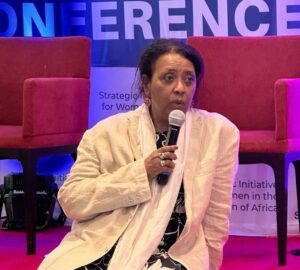
The violence is not random. Hala Al-Karib, Regional Director of the Strategic Initiative for Women in the Horn of Africa (SIHA) Network, describes a deliberate strategy of targeting based on ethnicity, poverty, and political affiliation. The SIHA Network has documented over 1,294 cases of conflict-related sexual violence since the war began, the majority linked to the RSF and its allied militias.
In Darfur, these acts have specifically targeted indigenous African communities, a move the United Nations has categorized as part of a genocidal strategy. The insecurity extends far beyond the active combat zones of the west. In Khartoum, Gezira, and the Northern and Blue Nile states, women face a spectrum of oppression ranging from arbitrary arrests and discriminatory laws to a sharp rise in child marriage as families struggle to survive deepening poverty.
At the end of February, advocacy groups called for International Women’s Day to be transformed into a platform for global political action. They are urging parliaments, universities, and unions worldwide to lobby for accountability and to build the political will necessary to end the current culture of impunity.
The psychological toll and the shadow war of health
The medical community warns that the consequences of this violence will resonate for generations. Adeeba Ibrahim Al-Sayyid, an internal medicine and epidemiology specialist in Omdurman, characterized the widespread use of rape as a crime against humanity. “The physical and psychological effects are enduring,” she noted, adding that without significant support systems, many survivors are at high risk of suicide.
Hospital records show 487 documented cases of rape since the start of the conflict, involving women, girls, and children. However, social stigma and the physical danger of travelling to clinics keep many more in the shadows. Beyond sexual violence, kidnapping has become a prevalent threat, with 41 cases recorded in Gezira State and 15 in South Kordofan. Even those seeking or providing care are not safe; there have been frequent reports of female nurses and patient companions being assaulted within or near medical facilities.
A February 2026 report by the UN Human Rights Office corroborated these findings, detailing a systematic pattern of gang rape, torture, and detention. The report emphasized that these crimes are a core component of the strategy used against indigenous communities in Darfur and northern Sudan.
A looming reproductive crisis
The collapse of the healthcare system has created a secondary, invisible crisis. The World Health Organization (WHO) reported in early February that 8.1 million women and girls of reproductive age currently require urgent reproductive health services. This includes more than 803,000 pregnant women, with approximately 1.1 million births expected across Sudan during 2026. Without intervention, these births will occur in a landscape devoid of sterile environments, skilled birth attendants, or emergency obstetric care.
This humanitarian abyss disproportionately affects the most vulnerable. Saadia Issa, a member of the Women’s Political and Civil Groups (MANSAM), highlighted the plight of women and girls with disabilities. For them, the war has been a double trap; many have been unable to flee combat zones due to the loss of mobility aids or the lack of accessible escape routes.
Issa noted that this year’s International Women’s Day theme, “Give to Gain,” must be viewed as a call for radical solidarity and the inclusion of those with disabilities in every aspect of political and social life. She advocated for the integration of sign language and Braille into judicial systems to enable all women to report violations and participate in rebuilding the state.
As the conflict shows no sign of abating, the message from Sudan’s women is one of defiant resilience. They maintain that there can be no sustainable peace or development in the country without justice for the violations they have endured. Enhancing women’s rights and protections is not merely a humanitarian goal; it is the fundamental condition for the future stability of the Sudanese state.